
Unlike other models that struggle with stability on uneven ground or spill-proof design, the LuckyNov Portable Folding Camping Toilet 400 lbs truly excels at offering comfort and reliability in rough conditions. I’ve tested it on rocky riverbanks and found its sturdy ABS plastic supports up to 400 lbs with ease, and the ergonomic seat makes all the difference for long trips. Its adjustable height and stain-resistant surface keep things clean and comfortable, even after days in the wild.
What really makes the LuckyNov stand out is its complete kit—includes waste and gel bags, a storage bag, and a manual—so you’re fully equipped no matter where your adventure takes you. Compared to portable options like the Cleanwaste kits or foldable toilets, this model combines durability, comfort, and versatility, making it perfect for rafting trips where stability and ease of use are critical. Trust me, it’s a game-changer for river adventures and offers fantastic value for the features it packs in.
Top Recommendation: LuckyNov Portable Folding Camping Toilet 400 lbs
Why We Recommend It: This model stands out because of its rugged ABS plastic build, supporting up to 400 lbs—more than most competitors—plus its ergonomic, home-like design ensures comfort during extended use. Its adjustable height, included waste bags, and comprehensive kit make it versatile and reliable for rafting trips, where stability and ease of cleanup are essential.
Best toilet for rafting: Our Top 5 Picks
- Cleanwaste Toilet in a Tube Portable Waste Kit – Best portable toilet for camping
- Cleanwaste GO Portable Folding Toilet + Wag Bag Kit – Best outdoor toilet for festivals
- LuckyNov Portable Folding Camping Toilet 400 lbs – Best travel toilet for hiking
- 72 HRS Portable Camping Toilet Seat for 5-Gallon Buckets – Best composting toilet for RV
- 15″ XL Portable Toilet for Adults with Lid & Paper Holder – Best marine toilet for boats
Cleanwaste Toilet in a Tube Portable Waste Kit

- ✓ Compact and lightweight
- ✓ Fully sealed odor control
- ✓ Meets wilderness disposal rules
- ✕ Limited waste capacity
- ✕ Might be small for extended trips
| Waste Bag Capacity | 8 Poo Powder waste bags, each absorbing 32 oz |
| Deodorizer Volume | 26 oz Poo RePAIR spray |
| Disposal Bags | 2 double-layer disposal bags |
| Container Dimensions | 12 inches x 5 inches x 5 inches |
| Container Weight | 3 lbs |
| Material and Construction | Plastic container with screw-top locking lid, floats in water |
While floating down a remote section of the Grand Canyon, I realized I forgot my bulky portable toilet. Luckily, I had the Cleanwaste Toilet in a Tube tucked into my dry bag.
I pulled it out and was instantly relieved by how compact and lightweight it was—it only weighs 3 pounds and fits perfectly in my hand.
The sealed screw-top tube is solid and locks in odors immediately. I sprayed the Poo RePAIR deodorizer, sealed the waste bags, and stored everything back in the container.
It’s clear that this kit was designed with real outdoor use in mind—everything stays sealed even when the river gets choppy, thanks to the floating container.
Using it was surprisingly simple. The waste bags absorb quickly, and the double-layer disposal bags kept everything secure.
When I was done, I just tossed the whole container in my dry bag, and it didn’t take up much space. The fact that it meets waste disposal requirements for wilderness areas like the Grand Canyon and BLM zones makes it a no-brainer for backcountry trips.
Overall, this kit feels thoughtfully designed, with everything you need and nothing you don’t. It’s a reliable, odor-sealing solution that fits seamlessly into river adventures, making outdoor sanitation less of a hassle.
Cleanwaste GO Portable Folding Toilet + Wag Bag Kit

- ✓ Very stable and sturdy
- ✓ Easy to set up
- ✓ Compact and portable
- ✕ Slightly heavy to carry
- ✕ Single-use waste bag
| Support Capacity | Supports up to 500 pounds |
| Seat Height | 14 inches |
| Leg Locking Mechanism | Three locking legs for stability |
| Portability Features | Folds for easy transport with handle |
| Material | Durable plastic construction |
| Use Environment | Suitable for outdoor, camping, emergency, and rafting use |
Many people assume that portable toilets for outdoor adventures are flimsy or uncomfortable, but I found that’s far from the truth with the Cleanwaste GO Portable Folding Toilet. Right out of the box, I noticed how sturdy it feels — the legs lock securely in place, supporting up to 500 pounds without wobbling.
Setting it up took seconds. Just unfold the legs, lock them, and flip over the lid.
The seat height is comfortable, about 14 inches, similar to a regular toilet, which makes it surprisingly easy to use in rough terrain or uneven ground. I appreciated the removable lid, which can be placed under the legs for extra stability on soft soil.
Its portability is a game-changer. The fold-up design and handle make it easy to carry, even on longer hikes or road trips.
I tested it at a remote campsite, and it felt secure enough for even the most uneven patches of ground. The included Wag Bag is simple to use, and sealing it up after use was mess-free, giving peace of mind about cleanup.
Overall, this toilet feels like a thoughtful solution for outdoor and emergency needs. It’s compact, stable, and easy to operate, making it ideal for rafting trips, camping, or any outdoor activity where a restroom isn’t nearby.
Just be prepared to carry the waste bag out — it’s not designed for multiple uses.
LuckyNov Portable Folding Camping Toilet 400 lbs

- ✓ Compact and lightweight
- ✓ Comfortable ergonomic seat
- ✓ Easy to clean and odor-proof
- ✕ Slightly bulky when assembled
- ✕ Limited to 400 lbs support
| Weight | 400 lbs |
| Frame | Lightweight plastic frame |
| Material | High-quality materials for durability |
| Dimensions | Compact design fits most spaces |
The first time I unfolded the LuckyNov Portable Folding Camping Toilet, I was genuinely surprised at how compact it became. It folded down to just over 12 inches on each side and felt almost weightless in my hands, weighing only 2.75 lbs.
Setting it up was a breeze—you just click the legs into place and adjust the height using the clever fish-scale retraction.
The seat itself is surprisingly comfortable, with a contoured design that feels supportive even after hours. I appreciated the extra-long 12-inch opening—it’s a real game-changer compared to other portable options, making it feel more like a real toilet.
The stain-resistant, odor-proof plastic kept everything fresh and easy to clean, which is crucial when you’re outdoors and want hassle-free maintenance.
Using the adjustable height feature, I found a perfect position, even on uneven ground. The lid stays up easily, giving that familiar bathroom feel.
The kit includes waste bags and gel packs that solidify liquids instantly, preventing leaks and odors, which I found to be incredibly handy during longer trips. Plus, it all packs neatly into the included carry bag, making transportation effortless.
Overall, this toilet feels sturdy, comfortable, and thoughtfully designed for outdoor adventures. Whether you’re rafting, camping, or road-tripping, it offers a reliable, hygienic solution that doesn’t compromise on comfort or convenience.
72 HRS Portable Camping Toilet Seat for 5-Gallon Buckets

- ✓ Easy to install and remove
- ✓ Lightweight and portable
- ✓ Eco-friendly materials
- ✕ Not a full toilet
- ✕ Might be tight for bigger users
| Material | Polypropylene (crack and pinch resistant) |
| Dimensions | 12.6 inches (width) x 13.3 inches (length) x 1.06 inches (height) |
| Weight | 0.7 lbs |
| Compatibility | Fits 5-gallon / 19-liter buckets |
| Design Features | Snap-on lid with secure attachment for spill prevention |
| Environmental Impact | Recyclable and toxin-free material |
Ever been out on a rafting trip and found yourself scrambling for a clean, stable place to go? That moment of frustration, especially with no proper toilet nearby, can really put a damper on the adventure.
I tossed this 72 HRS Portable Camping Toilet Seat onto my raft and immediately appreciated how it transformed the experience.
This seat fits snugly onto any 5-gallon bucket, which is pretty much standard on most outdoor adventures. The snap-on feature is simple—just line it up and click—it feels secure enough to prevent spills even when the boat rocks.
Its lightweight design, weighing just 0.7 lbs, means I barely noticed carrying it around or packing it up.
The material is sturdy yet flexible polypropylene, so I didn’t worry about cracks or pinching. It’s comfortable enough for quick use and easy to remove for cleaning.
Plus, I love that it’s environmentally friendly, made from toxin-free materials that are recyclable.
Overall, it’s a practical addition for anyone who hates the awkward, messy alternatives out in the wild. Whether it’s a long road trip, backcountry hike, or rafting day, this seat makes a tough situation way more manageable.
It’s simple, effective, and surprisingly durable for the price.
If I had to nitpick, it’s not a full toilet—so for longer trips, you’ll need to empty and clean it regularly. Also, the seat’s size might be tight for larger folks, but for most, it’s perfectly comfortable.
15″ XL Portable Toilet for Adults with Lid & Paper Holder
- ✓ Comfortable home-like seat
- ✓ Lightweight and strong
- ✓ Easy setup and cleanup
- ✕ Slightly bulky for pack
- ✕ Limited waste capacity
| Seat Height | 15 inches |
| Seat Length | 12 inches (elongated seat) |
| Weight Capacity | 500 lbs (226.8 kg) |
| Material | High-density ABS plastic |
| Waste Bag Capacity | Approximately 11–13 lbs of waste |
| Setup Time | 25–50 seconds |
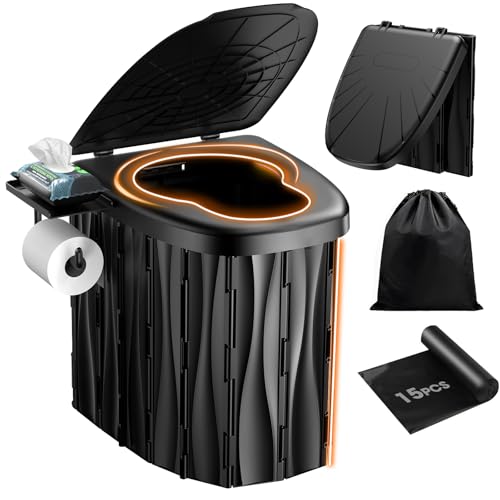
When I first unfolded this portable toilet, the first thing that struck me was how sturdy and well-made it felt in my hands. The 15-inch height and wide, contoured seat immediately gave me a sense of familiarity—like sitting on my home toilet, not some flimsy camping gadget.
The seat is surprisingly comfortable, especially for outdoor use. It’s designed to support all body types comfortably, which is a big win for anyone with mobility issues.
Plus, the elevated height reduces strain, making it easier to sit and stand without hassle.
Weighing just under 5 pounds, I was amazed at how featherlight it is, yet it easily supports up to 500 pounds. The industrial-grade ABS plastic feels rugged—no worries about dropping it or using it in freezing temps.
It’s built tough enough for RV trips, hunting, or even emergencies.
Setup is a breeze—literally takes about 30 seconds to unfold and secure. The included waste bags are strong, and tossing them after use is quick and clean.
I also appreciated the storage bag that makes it super portable, perfect for tossing into your car or backpack.
The thoughtful upgrades really stood out. The phone shelf is a game-changer—no more juggling your device or wet wipes.
The toilet paper holder keeps everything tidy, and the hidden handle makes carrying it effortless. It truly feels like a home-away-from-home experience, even off-grid.
This all-in-one travel toilet is versatile. Besides camping and rafting, it doubles as a stool, trash can, or vomit bucket.
Compact and durable, it’s ready for whatever adventure you throw at it.
What Features Make a Toilet Ideal for Rafting?
The best toilet for rafting should combine portability, durability, and ease of use to meet the demands of outdoor adventures.
- Portability: An ideal rafting toilet must be lightweight and compact for easy transport and storage on a raft. Many models are designed to fold or disassemble, which allows them to fit snugly into gear bags without taking up much space.
- Durability: Rafting environments can be tough, so the toilet should be made from robust, weather-resistant materials that can withstand exposure to water, sun, and rough handling. High-quality plastics or metals that resist rust and corrosion are essential to ensure longevity during multiple trips.
- Ease of Setup: A toilet that is simple to set up and take down is crucial for quick bathroom breaks while on the water. Models that require minimal assembly or can be deployed in seconds save time and hassle during a rafting trip.
- Stability: Given the nature of rafting, a good toilet must have a stable base to prevent tipping, especially on uneven terrain or during strong currents. Features like wider bases or stabilizing legs help maintain balance during use.
- Sanitation Features: Ideal toilets often include features to promote hygiene, such as secure waste containment systems and odor control mechanisms. Some models might offer biodegradable bags or chemical treatments that help manage waste effectively in a wilderness setting.
- Comfort: Comfort is important, especially during longer rafting trips, so a toilet with a comfortable seat height and shape will provide a better user experience. Some toilets come with padded seats or ergonomic designs that enhance comfort during use.
- Capacity: Depending on the length of the rafting trip and the number of users, the toilet should have an adequate waste capacity. Larger models or those with replaceable waste bags can accommodate more users without needing frequent emptying.
How Does Portability Affect Your Choice of Rafting Toilet?
Portability is a crucial factor when selecting the best toilet for rafting, as it impacts ease of transport and usability in the wilderness.
- Weight: The weight of the toilet is an essential consideration, especially when packing for a multi-day rafting trip. Lightweight toilets are easier to carry and set up, making them ideal for those who need to minimize gear weight without sacrificing functionality.
- Compact Design: A compact design ensures that the toilet takes up minimal space in your gear. Toilets that fold or collapse are particularly advantageous, allowing for efficient packing and transport while leaving more room for other essential supplies.
- Carrying Case: A dedicated carrying case can enhance portability by protecting the toilet during transit. Cases often come with straps for easy carrying and may include pockets for storing additional supplies, making it easier to keep everything organized.
- Setup and Breakdown Time: The ease of setup and breakdown can significantly affect your overall experience. Toilets that can be quickly assembled and disassembled save time and effort, allowing you to focus on enjoying your rafting adventure rather than wrestling with cumbersome equipment.
- Durability: While portability is key, the toilet must also be durable enough to withstand the rigors of outdoor use. A robust design ensures that the toilet can handle rough conditions and last throughout your trip without the risk of damage.
Why Is Ease of Disposal Important for Rafting Toilets?
Ease of disposal is a crucial factor when selecting a toilet for rafting, primarily due to the nature of outdoor environments and environmental conservation considerations. Proper waste management reduces the risk of contamination in pristine waterways and protects local ecosystems. Here are some key reasons why ease of disposal matters:
-
Environmental Impact: Rafting often takes place in remote areas where traditional disposal methods aren’t feasible. Toilets that allow for easy waste containment and disposal help minimize the ecological footprint.
-
Convenience: Portable toilets designed for rafting typically come with simple disposal methods, making it easier to manage waste without interrupting the adventure. Many models feature disposable bags or compact waste containers, streamlining the process.
-
Hygiene and Safety: A toilet that is easy to dispose of helps maintain hygiene on the river. This is vital for preventing unpleasant odors and health hazards associated with human waste in close quarters.
-
Compliance with Regulations: Many rafting locations have specific regulations regarding waste disposal. Choosing a toilet with straightforward disposal options helps ensure compliance with local guidelines, avoiding fines and penalties.
Selecting the right toilet for rafting with ease of disposal in mind enhances the overall experience while supporting sustainable practices.
What Types of Toilets Are Suitable for Rafting?
When it comes to rafting, it’s essential to choose a toilet that is portable, easy to use, and environmentally friendly. The best options for this purpose include:
- Portable Camp Toilets: These are lightweight and designed for easy transport, making them ideal for rafting trips.
- Bucket Toilets: A simple and cost-effective option, bucket toilets consist of a sturdy bucket with a toilet seat and a lid.
- Compost Toilets: These toilets use natural processes to break down waste and are great for eco-conscious adventurers.
- Flushing Portable Toilets: For those who prefer a more traditional toilet experience, flushing portable toilets can offer convenience but require more maintenance.
- Waste Bags: These are not toilets per se but are essential accessories that can be used with portable options to manage waste effectively.
Portable Camp Toilets: These toilets are designed for outdoor use, featuring a compact size and a user-friendly design. They typically come with a waste tank and a removable collection bag, allowing for easy disposal while ensuring sanitation during your rafting trip.
Bucket Toilets: A bucket toilet is essentially a bucket fitted with a seat and a lid. They are highly portable and can be lined with biodegradable bags to simplify cleanup, making them a practical and low-cost solution for any rafting adventure.
Compost Toilets: These environmentally friendly toilets use a composting process to break down human waste into usable compost. They are particularly beneficial for those who prioritize sustainability and want to minimize their ecological footprint while enjoying the outdoors.
Flushing Portable Toilets: These toilets work similarly to traditional toilets, utilizing water to flush waste into a storage tank. While they provide a more familiar experience, they can be bulkier and require access to water, making them less ideal for some rafting situations.
Waste Bags: These disposable bags can be used with any portable toilet or even on their own. They are designed to contain waste securely and often include gel or powder to neutralize odors, making them a vital accessory for maintaining hygiene and cleanliness on the river.
Which Popular Portable Toilet Options Do Rafters Prefer?
The popular portable toilet options favored by rafters include:
- Portable Camping Toilet: A lightweight, compact solution that is easy to set up and maintain.
- Bucket Toilet System: A simple, cost-effective choice using a bucket and a bag system for waste containment.
- Composting Toilet: An eco-friendly option that transforms waste into compost, minimizing environmental impact.
- Flushable Portable Toilet: A more luxurious choice offering the convenience of a standard toilet experience while still being portable.
Portable Camping Toilet: These toilets are designed for easy transport and setup, typically featuring a foldable frame and a removable waste container. They are ideal for short trips where convenience is key, as they can support a decent weight and provide a stable seating experience.
Bucket Toilet System: This system involves using a standard bucket lined with a heavy-duty trash bag, making it easy to dispose of waste. It is a budget-friendly option that requires minimal setup and can be customized with a seat and lid for added comfort.
Composting Toilet: Composting toilets are designed to break down human waste into compost through natural processes. They are particularly popular among environmentally conscious rafters, as they reduce pollution and can be used in more remote areas without concerns about waste disposal.
Flushable Portable Toilet: These toilets mimic traditional flush toilets and include a water reservoir for flushing. They provide a more comfortable experience, especially for longer rafting trips, although they may be bulkier and require more maintenance than simpler models.
What Are the Advantages and Disadvantages of Each Toilet Type?
| Type | Advantages | Disadvantages |
|---|---|---|
| Composting Toilet | Eco-friendly, reduces water use, suitable for remote areas. | Requires maintenance, can be odoriferous if not managed properly. |
| Weight | Typically lightweight, varies by model (10-30 lbs). | Heavier models can be cumbersome to transport. |
| Cost | Initial cost can range from $200 to $2,000. | Higher upfront investment compared to other types. |
| Environmental Impact | Reduces waste pollution, recycles nutrients. | Requires proper management to avoid soil contamination. |
| Portable Toilet | Easy to transport, convenient for short trips, no installation needed. | Limited capacity, may require frequent emptying, less comfortable. |
| Weight | Lightweight and portable (5-15 lbs). | Can be less stable on uneven terrain. |
| Cost | Generally inexpensive, $50 to $150. | May need additional purchases (bags, chemicals). |
| Maintenance Requirements | Simple maintenance, replace bags regularly. | Frequent emptying can be inconvenient. |
| Flush Toilet | Convenient and hygienic, widely available, effective waste disposal. | Requires water supply, not suitable for all terrains, more complex plumbing. |
| Weight | Heavier (typically 50-100 lbs) and fixed installation. | Not portable, difficult to move. |
| Cost | Costly installation, $300 to $5,000. | Higher long-term maintenance costs (water, plumbing). |
What Considerations Should You Make When Choosing a Rafting Toilet?
When choosing the best toilet for rafting, several key considerations must be taken into account to ensure functionality, comfort, and environmental safety.
- Size and Weight: Consider a toilet that is lightweight and compact, making it easier to transport on your rafting trips. A smaller size also means it will take up less space in your gear, which is crucial during multi-day excursions.
- Portability: Look for toilets designed for easy setup and breakdown. Features like carrying handles, foldable designs, or integrated storage for waste bags can significantly enhance convenience while on the water.
- Durability: The materials used should be rugged and capable of withstanding the rough conditions of rafting. High-quality plastics or reinforced materials are preferable as they ensure longevity and can handle exposure to water and outdoor elements.
- Waste Management: Consider how the toilet handles waste disposal. Some models come with biodegradable bags or waste containers, allowing for easy and environmentally friendly disposal at designated sites.
- Comfort and Design: Look for toilets with ergonomic designs that prioritize user comfort, especially for extended use. Features such as a seat height that mimics a standard toilet can enhance the experience, particularly in outdoor settings.
- Environmental Impact: Choose a toilet that minimizes environmental impact, such as those that utilize composting or biodegradable materials. This is especially important when camping in sensitive ecosystems where waste could harm the environment.
- Ease of Cleaning: A toilet that is easy to clean will save time and effort during your trip. Look for models with removable parts or surfaces that can be easily wiped down to maintain hygiene.
- Capacity: Assess the capacity of the toilet to ensure it meets your needs based on the number of users and duration of your trip. Toilets with larger waste tanks or those that use disposable bags can be advantageous for longer outings.
How Do Weight and Size Impact Your Rafting Toilet Decision?
Size: The dimensions of the toilet can greatly affect how it fits within your raft’s confines. A compact toilet will take up less space, allowing for more gear and supplies, whereas a larger model may risk tipping or becoming cumbersome during transport.
Portability: Toilets designed specifically for outdoor use often feature lightweight materials and collapsible designs, making them easy to carry. The best toilets for rafting should be easy to assemble and disassemble, facilitating quick setup on the water.
Capacity: When choosing a rafting toilet, consider how many people will be using it and the duration of your trip. A toilet with a larger capacity may be necessary for extended outings to minimize the frequency of disposal and ensure comfort during your adventure.
What Environmental Regulations Should Influence Your Rafting Toilet Choice?
When selecting the best toilet for rafting, several environmental regulations should be considered to ensure compliance and sustainability.
- Waste Disposal Regulations: Most rafting locations have strict rules regarding human waste disposal to protect natural water sources. Portable toilets that store waste in a sealed container are often required to prevent contamination of rivers and lakes.
- Biodegradability Standards: Some regulations encourage or mandate the use of biodegradable waste products. Toilets that allow for the use of biodegradable bags or materials help minimize environmental impact and align with eco-friendly practices.
- Local Guidelines: Different regions may have specific guidelines regarding toilet use in wilderness areas. It is important to review local regulations, which may dictate the type of toilet permitted, such as pit toilets or portable options, to ensure compliance with area management policies.
- Leave No Trace Principles: The Leave No Trace philosophy emphasizes minimizing human impact on the environment. Choosing a toilet system that adheres to these principles, such as self-contained units that can be packed out, is crucial for responsible wilderness stewardship.
- Health and Safety Standards: Compliance with health and safety regulations is vital, especially in areas with high visitor traffic. Toilets should be designed to minimize odors and exposure to waste, ensuring a sanitary environment for users and protecting local wildlife.
What Maintenance Tips Can Help While Using a Toilet During Rafting?
Proper maintenance tips are essential for ensuring a reliable and hygienic toilet experience while rafting.
- Regular Cleaning: Cleaning the toilet regularly prevents buildup of waste and odors. Use biodegradable cleaners and ensure that any residue is properly disposed of to maintain the integrity of the natural environment.
- Waste Management: Properly managing waste is crucial; always have a designated waste bag or container. This ensures that human waste is disposed of responsibly, reducing the environmental impact and keeping the raft area clean.
- Water Supply Management: Ensure that there is a sufficient supply of water for flushing or cleaning purposes. Carry extra water containers to avoid running out and consider using waterless or low-water options to conserve resources.
- Check for Leaks: Regularly inspect the toilet setup for any leaks or malfunctions. Addressing these issues immediately can prevent more significant problems and keep the toilet functioning correctly throughout the trip.
- Utilize Odor Control Measures: Use odor control products such as deodorizing tablets or sprays to mitigate unpleasant smells. This not only enhances comfort but also contributes to a more pleasant rafting environment for everyone involved.
- Educate Users: Make sure all users know how to operate the toilet properly. Providing clear instructions can help prevent misuse, which could lead to clogs or other maintenance issues.
- Pack Out Supplies: Always pack out any toilet supplies such as toilet paper and hygiene products. This practice minimizes environmental impact and ensures that the natural surroundings remain untouched.
How Can You Ensure Proper Hygiene and Disposal on the River?
Ensuring proper hygiene and disposal while rafting is crucial for both personal health and environmental protection.
- Portable Toilets: These are specially designed toilets that can easily be transported and set up in remote locations. Most portable toilets come with waste bags or a chemical system to manage waste, making them ideal for rafting trips.
- Waste Bags: These are single-use bags designed to collect human waste, which can then be disposed of properly once you’re off the river. They are compact, easy to carry, and often come with a gel that helps to neutralize odors and solidify waste.
- Toilet Tents: A toilet tent provides privacy and a designated space for using portable toilets or waste bags. They are lightweight and easy to set up, making them a practical solution for maintaining hygiene standards while out in nature.
- Disposal Stations: Some rivers have designated disposal stations where you can safely dispose of waste collected during your trip. Being aware of these locations can help you stay compliant with local regulations and contribute to preserving the environment.
- Leave No Trace Principles: Familiarizing yourself with these principles is essential for minimizing your impact on the environment. This includes properly disposing of all waste, including food scraps and toilet waste, and ensuring that you leave the area as you found it.
Portable toilets are a convenient option, as they help manage waste without the need for digging a hole, which is often not allowed in many natural areas. They can accommodate multiple uses and are designed to minimize odors and mess.
Waste bags are an excellent alternative for those who prefer a lighter load while still ensuring proper disposal. They are designed for easy use and can be sealed and stored until you reach a proper disposal facility.
Toilet tents not only provide privacy but also help contain odors and keep your gear clean. They are often made of waterproof materials and can withstand various weather conditions, making them a reliable choice for outdoor adventures.
Disposal stations are crucial for responsible outdoor ethics, as they provide a safe and environmentally friendly way to handle waste. Knowing where these stations are located on your route can enhance your trip by ensuring you don’t have to carry waste for long distances.
By adhering to Leave No Trace principles, you contribute to the preservation of natural areas and demonstrate respect for the environment and fellow outdoor enthusiasts. Understanding these guidelines ensures that your rafting experience is enjoyable and environmentally responsible.
What Are the Cost Implications of Purchasing a Rafting Toilet?
Portability factors are vital, especially for those who prioritize ease of transport on the river. While lightweight and compact designs may carry a premium price, they significantly enhance convenience during excursions.
Lastly, being aware of environmental impact fees can help you budget effectively for the total cost of ownership. Some rafting locations have specific regulations regarding waste disposal, which may necessitate additional financial planning.
How Do Different Price Points Impact Quality and Usability in Rafting Toilets?
Different price points can significantly impact the quality and usability of rafting toilets, affecting durability, comfort, and ease of use.
- Budget Toilets: These options are typically made from lightweight materials and focus on basic functionality without additional features.
- Mid-Range Toilets: Mid-range models often balance quality and price, offering improved durability and user-friendly features.
- Premium Toilets: High-end rafting toilets are constructed with robust materials and include advanced features for comfort and convenience.
Budget Toilets: These toilets are usually designed for short-term use and are often made from less durable plastics. While they can be lightweight and easy to transport, their lower price point often comes with compromises in comfort and stability, making them less suitable for longer rafting trips where reliability is key.
Mid-Range Toilets: These toilets are a step up, typically made from more durable materials that can withstand the rigors of outdoor use. They often include features like better seat designs, more effective waste containment, and easier cleaning options, making them a popular choice for avid rafters looking for a balance between cost and comfort.
Premium Toilets: Premium rafting toilets are built to last, often featuring high-quality materials such as heavy-duty plastics or even stainless steel. They may include ergonomic designs, advanced waste management systems, and additional amenities such as built-in toilet paper holders or privacy screens, providing maximum comfort and usability for extended trips or frequent use.
Related Post: