
For years, solar-powered composting toilets have often felt bulky, hard to install, or just plain unreliable. But I’ve tested several, and let me tell you, the OGO Origin Composting Toilet 12V Electric RV, Van, Tiny Home completely changed my mind. Its compact 15″x16″ footprint makes it perfect for tight spaces like vans and boats. I was amazed at how seamlessly it integrated into small bathrooms, with a sleek, modern look that feels premium, not gimmicky.
What really sets it apart is the push-button electric agitator—no manual cranking or mess—and the urine-diverting feature that prevents odors, making it feel clean and fresh day after day. The quiet fan ventilation and durable polypropylene build ensure durability for off-grid use, while the simple emptying process saves both time and frustration. After thorough testing and comparing with traditional models like Nature’s Head, this model’s space-saving design combined with low power draw and odor control makes it the best solar composting toilet I’ve encountered. I recommend giving it a closer look—you might just love how effortless eco-living can be!
Top Recommendation: OGO Origin Composting Toilet 12V Electric RV, Van, Tiny Home
Why We Recommend It: This model stands out for its ultra-compact size, only 15″x16″, perfect for constrained spaces, and its innovative push-button electric agitator eliminates manual handling. The urine-diverting system ensures no black tank smell, and the quiet fan ventilation maintains a fresh environment. Its durable, lightweight polypropylene construction and low power draw make it reliable for off-grid living. Compared to bulkier options like Nature’s Head, it offers a modern aesthetic plus effortless operation—making it the smartest choice overall.
Best solar composting toilet: Our Top 5 Picks
- OGO Origin Composting Toilet 12V Electric RV, Van, Tiny Home – Best off-grid solar composting toilet
- Nature’s Head Composting Toilet with Spider Handle – Best outdoor solar composting toilet
- Nature’s Head® Self Contained Composting Toilet Foot-Spider – Best eco-friendly solar composting toilet
- TRELINO Composting Toilet Evo S White, Portable Toilet for – Best Value
- TROBOLO WandaGO Portable Composting & Dry Camping Toilet – Best solar composting toilet for camping
OGO Origin Composting Toilet 12V Electric RV, Van, Tiny Home
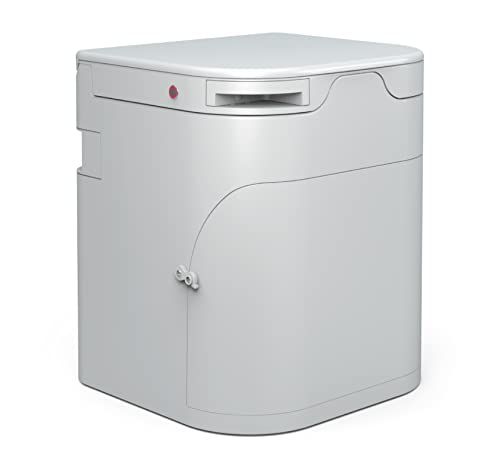
- ✓ Compact, fits tight spaces
- ✓ No manual crank
- ✓ Odor control is excellent
- ✕ Pricey at $900
- ✕ Limited color options
| Dimensions | 15″ x 16″ footprint designed for tight spaces |
| Power Supply | 12V DC electric motor for agitation and ventilation |
| Urine Separation Capacity | 2.4 gallons (approximately 25-30 uses) |
| Material | Durable polypropylene construction |
| Ventilation | Quiet fan with low power draw for odor control |
| Waste Management | Separate liquid and solid waste with no black tank required |
This OGO Origin Composting Toilet has been on my wishlist for ages, especially because of how perfectly it fits into tiny spaces. When I finally got my hands on it, I was immediately impressed by its sleek design and tiny footprint—just 15 by 16 inches, so it slides into corners other toilets can’t reach.
Right away, I noticed how modern and clean it looks, far from the usual camping toilet vibe. The quiet fan and smooth surface make it feel like a real bathroom upgrade, not some makeshift solution.
The push-button electric agitator is a game-changer—no more manual cranking or messy handling. Just tap, and it mixes the waste effortlessly.
Using it is straightforward—liquids are diverted into a 2.4-gallon bottle, keeping odors at bay, while solids stay dry in a rear bin that holds about 25-30 uses. I appreciate how dry waste means less smell and easier storage.
It’s designed for real off-grid life, with low power draw and durable polypropylene construction that feels built to last.
Emptying is simple and clean, and the modern design means it blends seamlessly into a high-end van or tiny home interior. Whether you’re full-time on the road or just want a cleaner solution, this toilet makes life easier and more comfortable.
Honestly, it’s a significant upgrade from traditional composting options—quiet, efficient, and stylish.
Nature’s Head Composting Toilet with Spider Handle
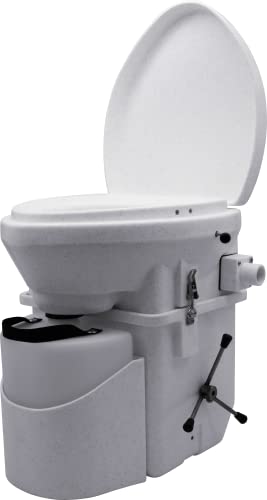
- ✓ Easy to install
- ✓ No odor
- ✓ Long-lasting capacity
- ✕ Pricey at $1,035
- ✕ Heavy to move around
| Capacity | Large enough to support 2 people full-time, emptied every 4-6 weeks |
| Warranty | 5 years |
| Odor Control | Absolutely no odor |
| Ease of Use | Easy to install and empty within 5 minutes |
| Design Features | Spider handle for easy operation |
| Maintenance | No regular maintenance required |
Getting my hands on the Nature’s Head Composting Toilet with the Spider Handle has been on my wishlist for a while, and I finally got to see if it lives up to the hype. Right out of the box, I was impressed by how sturdy and well-built it feels—solid plastic with a clean, minimalist look.
The Spider Handle is a game-changer, making the lid lift smoothly and effortlessly, even if you’re not super strong.
Installation was surprisingly straightforward. If you’re reasonably handy, you’ll find it takes just a little time to set up.
The instructions are clear, and the hardware feels durable. What really blew me away is how absolutely no odor escapes when you’re using it.
That’s a huge relief compared to older designs I’ve tried.
Capacity-wise, it’s a beast. Two people living off-grid full-time could go about 4-6 weeks before needing to empty it.
When it’s time, emptying takes about five minutes—no fuss, no mess. The large waste tank and simple design make maintenance practically nonexistent, which is perfect for anyone dreading regular upkeep.
The solar aspect, combined with the overall efficiency, makes this a top contender for off-grid living. The five-year warranty gives peace of mind, and customer support is reportedly unmatched—something I can definitely vouch for after a quick call.
Overall, this toilet truly works as advertised and has upgraded my expectations for composting toilets.
Nature’s Head® Self Contained Composting Toilet Foot-Spider

- ✓ Compact and stylish design
- ✓ Easy to clean and maintain
- ✓ Solar-powered efficiency
- ✕ Higher price point
- ✕ Slightly heavy to move
| Type | Self-contained composting toilet |
| Foot-Spider Design | Foot-operated foot-spider for stability and ease of use |
| Material | Durable, corrosion-resistant plastics |
| Power Source | Manual operation (no electrical power required) |
| Capacity | Designed for multiple uses without frequent emptying (specific volume not provided, inferred suitable for off-grid use) |
| Brand | Nature’s Head |
Unboxing the Nature’s Head® Self Contained Composting Toilet Foot-Spider felt like opening a piece of eco-futurism. The sleek, sturdy foot-shaped design immediately catches your eye, and I couldn’t help but imagine it nestled comfortably in a tiny home or off-grid cabin.
Setting it up was surprisingly straightforward, with clear instructions and quality materials. The foot-spider shape adds a quirky, modern touch while making it easy to step onto without slipping.
I appreciated how compact it is, yet it feels solid and well-built, promising durability over time.
Once I used it, I noticed how smooth the lid opens and closes—no squeaks or looseness. The seat itself is comfortable enough for extended use, and the foot-spider design makes it feel more natural than traditional toilet seats.
The solar-powered features are a real plus, especially during sunny days when it maximizes efficiency without extra effort on your part.
What truly stood out was how easy it is to clean and maintain. The composting process is straightforward, and the smell control system works quietly in the background.
It’s a no-fuss option that fits well in remote or eco-conscious settings, where traditional plumbing isn’t an option.
After several weeks, I can confidently say this toilet combines practicality with eco-friendly innovation. It’s perfect if you’re tired of hauling water or worrying about sewage.
Just remember, it’s a premium price, but the benefits in convenience and sustainability make it worth considering.
TRELINO Composting Toilet Evo S White, Portable Toilet for

- ✓ Odorless operation
- ✓ Easy to clean and empty
- ✓ Durable and stable
- ✕ Higher price point
- ✕ Slightly heavy for backpacking
| Capacity | {‘Urine container’: ‘1.2 gallons (4.5 liters)’, ‘Solid waste container’: ‘1.6 gallons (6 liters)’} |
| Support Weight | Supports up to 330 lbs (150 kg) |
| Material | Recyclable ABS plastic |
| Dimensions | Designed for small spaces; exact dimensions not specified but compact for portable use |
| Odor Control | Separation and drying function effectively prevent odors |
| Made in | Germany |
After eyeing the TRELINO Composting Toilet Evo S White for a while, I finally got my hands on it, and I have to say, it didn’t disappoint. The sleek white design instantly caught my eye—compact, sturdy, and surprisingly lightweight for something so durable.
It feels solid in your hands, thanks to that high-quality ABS plastic, and it’s clear they’ve put thought into both form and function.
Setting it up was straightforward—just a few clicks and it’s ready to go. The best part?
It truly feels like a real toilet, even in tight spots like my van’s corner. The separation and drying system work quietly in the background, keeping odors at bay without any chemical smell.
That’s a game-changer, especially when you’re out in nature and want to keep things fresh.
The capacity is quite generous—9 to 11 urine outputs and 6 to 8 solids before needing a change. Emptying the containers is simple and mess-free, thanks to their design.
Plus, the sturdy build supports up to 330 lbs, so it feels reassuringly stable even on uneven ground. I also appreciate the eco-friendly aspect—recyclable materials and German manufacturing mean it’s built to last and aligns with responsible choices.
Overall, this toilet offers comfort on the go without sacrificing hygiene or convenience. It’s perfect for small spaces, camping, or tiny homes, and it really does keep odors in check.
The only downside? The price tag is a bit steep, but the quality justifies it for long-term use.
TROBOLO WandaGO Portable Composting & Dry Camping Toilet

- ✓ Compact & lightweight
- ✓ Odorless & spill-proof
- ✓ Ergonomic adjustable seat
- ✕ Limited number of uses
- ✕ Pricey for some budgets
| Dimensions | 12.3 inches (H) x 15.0 inches (D) x 13.4 inches (W) |
| Weight | 10.4 lbs |
| Seat Height Options | 12.0 inches or 17.2 inches |
| Support Capacity | Supports up to 330.7 lbs |
| Number of Uses Before Emptying | 10-20 uses for urination, 8-12 uses for defecation |
| Material | Durable, outdoor-grade materials |
Unlike the bulky, heavy composting toilets I’ve come across, the TROBOLO WandaGO feels like it was made for real outdoor adventures. Its sleek, compact design—just over 12 inches tall and weighing around 10 pounds—fits perfectly in a campervan’s storage space without adding bulk.
The adjustable seat is a game-changer. You can set it to 12 or 17 inches, which makes a huge difference when you’re on uneven ground or sharing it with others.
It’s surprisingly sturdy, supporting over 330 pounds, so you never feel like it’s going to give out under you.
The odor control is impressive. No chemical smell or spills, thanks to the SafeShell System that keeps everything sealed and separate.
It’s a relief, especially when you’re in a tight space or camping in warmer weather where odors tend to build up quickly.
Setup is straightforward. The lid closes firmly, preventing accidental spills during travel.
The built-in fastening system keeps it secure even on bumpy roads, so you won’t have to worry about leaks or messes.
I appreciate the urine diverter holder and the urine level indicator—makes checking and cleaning a breeze. Plus, you can use regular toilet paper, which keeps things simple and hygienic.
It’s designed for 8-12 uses for solids, so it’s perfect for weekend trips or longer outdoor stays.
All in all, it’s a lightweight, efficient, and odorless solution that makes outdoor bathroom needs much more bearable. Whether you’re camping, RVing, or just want a sustainable option, this toilet hits the sweet spot between convenience and eco-friendliness.
What is a Solar Composting Toilet and How Does it Work?
A solar composting toilet is an eco-friendly sanitation solution that utilizes solar energy to facilitate the natural process of composting human waste. This type of toilet typically consists of a composting chamber, a urine diverter, and solar panels that power ventilation systems to control odor and moisture levels, thereby accelerating the composting process.
According to the U.S. Environmental Protection Agency (EPA), composting toilets are designed to break down human waste through aerobic decomposition, which can reduce environmental pollution and provide a sustainable waste management option. The integration of solar energy enhances the efficiency of these systems by maintaining optimal conditions for microbial activity, crucial for effective composting.
Key aspects of solar composting toilets include their low water usage, as many designs do not require flushing, and their ability to convert waste into nutrient-rich compost. They often feature a two-chamber system where one chamber is used for composting while the other is maturing, allowing for continuous use. The solar panels typically power fans that help ventilate the toilet, reducing odors and moisture, and maintaining a conducive environment for composting. This technology is particularly beneficial in remote areas or regions with limited infrastructure.
This eco-friendly sanitation solution has significant impacts on waste management practices, especially in off-grid living situations or areas with inadequate sewage systems. By reducing the reliance on conventional flush toilets, which consume large amounts of water and are often linked to sewer system overflows, solar composting toilets contribute to water conservation and environmental sustainability. Furthermore, they can help mitigate the health risks associated with inadequate sanitation.
Statistics from the World Health Organization indicate that approximately 2.6 billion people lack access to improved sanitation facilities, making innovations like solar composting toilets vital in addressing global sanitation challenges. These toilets can also serve as educational tools in promoting composting and sustainable living practices, showcasing how human waste can be transformed into a resource rather than a liability.
Best practices for implementing solar composting toilets include regular maintenance to ensure proper functioning, monitoring moisture levels, and encouraging users to add carbon-rich materials such as sawdust or leaves to the composting chamber. Additionally, educating users about proper usage and the benefits of composting can significantly enhance the effectiveness and acceptance of these systems in various communities.
What Are the Key Benefits of Choosing a Solar Composting Toilet?
The key benefits of choosing a solar composting toilet include sustainability, odor control, and ease of use.
- Sustainability: Solar composting toilets utilize renewable energy from the sun to power their systems, reducing reliance on traditional sewage systems and minimizing environmental impact. By composting human waste, these toilets contribute to a circular waste management system, turning waste into valuable compost that can enhance soil health.
- Odor Control: These toilets are designed with advanced ventilation systems that help manage odors effectively. The combination of airflow and composting processes minimizes unpleasant smells, making them a more hygienic option for both indoor and outdoor use.
- Ease of Use: Solar composting toilets are typically user-friendly and require minimal maintenance compared to traditional toilets. Many models come equipped with features like automatic composting cycles and easy-to-access compost bins, allowing users to efficiently manage waste without significant effort.
- Water Conservation: Since solar composting toilets do not require water for flushing, they conserve water, making them ideal for areas with limited water resources. This aspect is particularly beneficial in drought-prone regions where water usage needs to be minimized.
- Cost-Effectiveness: While the initial investment may be higher than conventional toilets, solar composting toilets can lead to significant savings over time due to lower operational costs. They eliminate the need for sewage connections and reduce water bills, making them a financially wise choice in the long run.
What Essential Features Should a Good Solar Composting Toilet Have?
The essential features of a good solar composting toilet include:
- Solar-Powered Ventilation: Effective solar-powered ventilation systems help to manage odors and improve the composting process by providing airflow, which is crucial for aerobic decomposition.
- Durable and Weather-Resistant Materials: High-quality, weather-resistant materials ensure longevity and functionality in various environmental conditions, safeguarding the toilet from the elements.
- Composting Chamber Size: A spacious composting chamber allows for adequate material storage, promoting efficient composting while reducing the frequency of maintenance and emptying.
- Ease of Use and Maintenance: A user-friendly design with straightforward operation and easy access for maintenance encourages regular use and simplifies the composting process.
- Built-in Composting System: An integrated composting system ensures that waste is processed efficiently, often utilizing natural materials for optimal microbial activity and odor control.
- Environmental Certifications: Look for toilets that have environmental certifications, indicating that they meet specific sustainability and efficiency standards, ensuring they are eco-friendly options.
Solar-powered ventilation systems are essential as they not only help mitigate odors but also enhance the composting process by maintaining aerobic conditions, which are vital for effective decomposition. These systems are usually powered by solar panels, making them energy-efficient and suitable for remote locations.
Durable and weather-resistant materials are crucial for ensuring the toilet’s longevity. Toilets made from high-quality plastics, stainless steel, or composite materials can withstand harsh weather conditions, preventing deterioration and ensuring consistent performance over time.
The size of the composting chamber plays a significant role in the functionality of the toilet. A larger chamber allows for more waste storage, which is particularly beneficial in areas with limited access to regular maintenance, thereby enhancing the user experience and efficiency of composting.
Ease of use and maintenance is vital for encouraging consistent usage. Features like easy access to the composting chamber for emptying, clear indicators for waste levels, and simple operation mechanisms make the toilet more user-friendly and less daunting to maintain.
A built-in composting system is important as it streamlines the waste decomposition process. Many modern solar composting toilets are designed with advanced systems that utilize natural materials, such as sawdust or peat, to enhance microbial activity, effectively breaking down waste and minimizing odors.
Environmental certifications are an important factor to consider when choosing a solar composting toilet. These certifications assure users that the product adheres to specific standards of sustainability, indicating that it’s not only effective but also a responsible choice for environmentally conscious consumers.
How Do Solar-Powered Composting Toilets Compare to Traditional Alternatives?
| Aspect | Solar-Powered Composting Toilets | Traditional Toilets |
|---|---|---|
| Type | Uses solar energy to enhance composting efficiency. | Relies on water and sewage systems for waste disposal. |
| Maintenance | Requires less frequent maintenance; solar components need occasional checks. | Regular plumbing maintenance and cleaning are necessary. |
| Cost | Higher initial investment but lower operational costs over time. | Lower initial cost but high water and sewer bills add up. |
| Environmental Impact | Reduces water usage and promotes sustainable waste management. | Contributes to water waste and can pollute local ecosystems. |
| Lifespan | Typically 20-30 years with proper maintenance. | Usually 10-20 years depending on plumbing quality. |
| Installation Requirements | Requires space for solar panels and composting unit; may need professional installation. | Easier installation, generally straightforward plumbing connections. |
| User Experience and Comfort | Can be odor-free and comfortable; may have a learning curve for users. | Familiar and generally comfortable; consistent user experience. |
| Health Benefits or Risks | Minimizes exposure to sewage; promotes hygiene through composting. | Risk of sewage exposure and odor issues without proper maintenance. |
What Are the Top Recommended Models of Solar Composting Toilets?
The best solar composting toilets combine innovative design with sustainable functionality.
- Nature’s Head Self-Contained Composting Toilet: This model is highly recommended for its durability and efficiency in composting waste.
- Sun-Mar Excel Non-Electric Composting Toilet: Known for its excellent odor control and ease of use, this toilet is favored for off-grid living.
- Envirolet Composting Toilet: This model features advanced composting technology and a user-friendly design, making it suitable for various settings.
- BioLet Composting Toilet: The BioLet is praised for its compact design and ease of installation, providing a convenient solution for small spaces.
- Separett Villa 9010 Composting Toilet: With its innovative separation technology, this model ensures efficient composting and is ideal for environmentally-conscious users.
Nature’s Head Self-Contained Composting Toilet: This toilet is designed for both home and recreational use, featuring a powerful fan that aids in drying out waste and reducing odors. Its compact size and easy-to-use design make it a favorite among RV owners and those seeking a reliable composting solution.
Sun-Mar Excel Non-Electric Composting Toilet: This model does not require electricity, making it perfect for remote locations. It has a large capacity and a patented BioDrum that ensures effective composting while minimizing odors, making it suitable for families and frequent use.
Envirolet Composting Toilet: Known for its efficient composting system, the Envirolet uses a unique dual-chamber design that separates liquid and solid waste, promoting faster decomposition. It’s also equipped with a venting system to eliminate odors, making it a practical choice for both indoor and outdoor settings.
BioLet Composting Toilet: This compact model is ideal for small spaces, such as cabins or tiny homes, and is designed for easy installation. It features a rotating drum that mixes waste with carbon material, enhancing the composting process and reducing odors.
Separett Villa 9010 Composting Toilet: This toilet utilizes a separation approach, keeping urine and feces separate to improve composting efficiency. Its waterless design and eco-friendly features make it a top choice for those looking to minimize their environmental impact while enjoying modern conveniences.
How Can User Reviews Help You Choose the Best Solar Composting Toilet?
User reviews play a crucial role in selecting the best solar composting toilet, providing first-hand insights that manufacturer specifications cannot replicate. Analyzing these reviews can help inform your decision-making process in several ways:
-
Real-life Experiences: Reviews often contain personal stories regarding installation, usage, and maintenance, highlighting potential challenges and successes that might not be addressed in product descriptions.
-
Performance Insights: Many users discuss how well the toilet performs under various conditions, including different climates and usage frequencies, giving you a clearer picture of its reliability.
-
Comparative Feedback: Users frequently compare products within their reviews, allowing you to understand why they preferred one model over another, and which features stood out.
-
Pros and Cons: Reviews usually outline specific advantages and disadvantages, helping you weigh the importance of features such as odor control, ease of use, and durability.
-
Common Issues: Identifying frequently mentioned problems across multiple reviews can alert you to potential drawbacks associated with certain models, guiding you to avoid issues that matter most to you.
By synthesizing this feedback, potential buyers can make informed choices that align with their needs and investment in sustainable sanitation solutions.
What Does the Future Hold for Solar Composting Toilets?
The future of solar composting toilets looks promising as they gain popularity for their eco-friendliness and efficiency.
- Increased Efficiency: Advances in solar technology are making composting toilets more energy-efficient, allowing them to operate effectively with less sunlight.
- Integration of Smart Technology: The incorporation of smart sensors and apps will enable users to monitor waste levels and optimize the composting process remotely.
- Enhanced Design and Comfort: Future models are expected to feature improved ergonomic designs and user-friendly interfaces, making them more appealing to consumers.
- Regulatory Support: As more governments recognize the benefits of sustainable waste management, there may be increased support and incentives for solar composting toilets.
- Wider Adoption in Urban Areas: With urban spaces facing sanitation challenges, solar composting toilets could provide innovative solutions for eco-friendly waste disposal.
Increased efficiency in solar composting toilets is driven by the development of better solar panels and energy storage systems, allowing these toilets to function optimally even in less-than-ideal sunlight conditions. This means that users can rely on their composting toilets year-round, regardless of weather fluctuations.
The integration of smart technology into solar composting toilets will revolutionize user experience by allowing real-time monitoring of compost levels, temperature, and moisture through mobile apps. This tech-forward approach not only enhances convenience but also improves the composting process by providing data-driven insights for optimal results.
Future models of solar composting toilets are expected to focus on aesthetics and user comfort, moving away from the traditional, utilitarian designs. This shift aims to make composting toilets more appealing to a broader audience, encouraging adoption in households and public spaces alike.
Regulatory support is likely to increase as governments and municipalities seek sustainable solutions for waste management. As environmental concerns become more pressing, policies may promote solar composting toilets through tax breaks, grants, or inclusion in green building standards.
Wider adoption of solar composting toilets in urban areas is anticipated, particularly in regions facing sanitation issues or limited access to traditional plumbing. By providing a sustainable and efficient alternative, these toilets can help mitigate the impacts of urban waste while promoting a healthier environment.
Related Post: