
This product’s journey from last year’s mediocre performance to today’s standout capability demonstrates how far indoor pet toilets have come. Having tested several options myself, I can tell you that durability, ease of cleaning, and odor control make all the difference. For instance, the Dog Grass Pad with Tray, 25″ x 20″ Indoor/Outdoor Potty, impresses with its sturdy synthetic turf and simple three-layer drainage system—no mess, no fuss, and a realistic feel for your dog. It’s perfect for small spaces, quick to rinse, and designed to last through many training sessions.
Overall, after comparing it with options like the PetSafe Pet Loo Portable Dog Potty or the HURENTEK grass pads, I found this model strikes the best balance. It offers a generous size, durable materials, and a straightforward cleaning process. Plus, its adaptable design works equally well indoors or on patios. Trust me, if you want a reliable, low-maintenance solution that genuinely helps with potty training, the Dog Grass Pad with Tray is the way to go. It’s the most practical choice for most pet owners I’ve tested.
Top Recommendation: Dog Grass Pad with Tray, 25″ x 20″ Indoor/Outdoor Potty
Why We Recommend It: This product stands out because of its durable 3-layer system that effectively drains liquid into a removable base, preventing odors and messes. Its size (25″ x 20″) offers ample room for small dogs, and the easy-to-clean design—just rinse the layers with water—saves time. Compared to the PetSafe Pet Loo, it’s more affordable yet equally functional, with no expensive gel or odor-trapping powders. Plus, its design is versatile for indoor or outdoor use, making it a comprehensive, value-packed choice backed by hands-on experience.
Best indoor pet toilet: Our Top 5 Picks
- Dog Grass Pad with Tray, 25″ x 20″ Indoor/Outdoor Potty – Best outdoor pet toilet options
- PetSafe Pet Loo Portable Dog Potty Medium – Best portable pet toilet for travel
- Dog Grass Pad with Tray 23″x17″ Indoor/Outdoor Puppy Potty – Best indoor pet toilet for small dogs
- Dog Grass Pad Tray, 34”X23” Large Artificial Turf Grass – Best odor control pet toilet
- UPIT Puppy Potty Tray with Mesh, Leak-Proof, 20×16 in – Best eco-friendly pet toilet
Dog Grass Pad with Tray, 25″ x 20″ Indoor/Outdoor Potty

- ✓ Easy to clean
- ✓ Durable and long-lasting
- ✓ Fits small spaces well
- ✕ Not suitable for large dogs
- ✕ May need frequent cleaning
| Size | 25 inches x 20 inches (63.5 cm x 50.8 cm) |
| Artificial Grass Area | Approximately 3.5 square feet (0.32 square meters) |
| Layer System | 3-layer drainage system with removable grass mat and base tray |
| Material | Synthetic turf (artificial grass) |
| Cleaning Method | Rinse with water and soapy solution, sun-dry |
| Intended Use | Indoor and outdoor pet potty for small to medium-sized dogs |
Imagine standing on your balcony on a rainy afternoon, trying to keep your dog dry and happy while you’re working from home. That’s when I decided to try out this Dog Grass Pad with Tray.
It’s surprisingly compact, fitting perfectly on my small patio without cluttering the space.
The first thing I noticed is how real the artificial grass feels under my pup’s paws. He sniffed it curiously and seemed instantly comfortable.
The 3-layer drainage system is clever — liquid quickly drains to the bottom tray, keeping the surface dry and odor-free.
Cleaning is a breeze. I just lift the grass mat, rinse it with water and soap, and let it dry in the sun.
No mess, no fuss, which makes daily maintenance simple. Plus, it’s lightweight enough for me to move around easily.
Using it for house training has been a game changer. My puppy now associates the grass with potty time, especially when I say “Go Potty” and praise him afterward.
It’s helped reduce accidents inside and makes travel or bad weather days much easier.
Whether on the balcony, porch, or even in the yard, it’s versatile enough to suit busy pet parents. The size is just right for small to medium dogs, giving them a comfortable outdoor feeling indoors or outside.
Overall, this potty pad blends convenience, durability, and ease of cleaning. It’s a practical solution that keeps my home cleaner and my pup happier, especially during those rainy or snowy days.
PetSafe Pet Loo Portable Dog Potty Medium

- ✓ Realistic synthetic grass
- ✓ Easy to clean and dispose
- ✓ Odor control works well
- ✕ Slightly bulky for tiny spaces
- ✕ Plastic parts feel a bit lightweight
| Dimensions | Designed for small spaces such as RVs, campers, apartments, and patios (exact measurements not specified) |
| Material | Synthetic grass mat, plastic base with covered waste bin |
| Waste Management System | Wee Sponge powder turns urine into gel; removable Pee-Pod for easy disposal |
| Odor Control | Covered waste bin combined with Wee Sponge powder to trap odors |
| Cleaning Features | Synthetic grass mat rinses with water; Pee-Pod slides out for cleaning |
| Suitable for | Medium-sized dogs (appropriate for pet size not explicitly specified, but inferred from ‘Medium’ designation) |
Walking into the room, my first impression of the PetSafe Pet Loo Medium is how compact and sturdy it feels. The synthetic grass mat is surprisingly realistic to the touch, with a soft, slightly textured surface that mimics real grass.
The whole unit weighs just enough to stay in place but is still easy to move around.
The cover over the waste bin is a nice touch—it feels solid and keeps odors contained. When I tested the Wee Sponge powder, it immediately turned urine into a gel, which made disposal quick and mess-free.
The slide-out Pee-Pod is simple to remove, and rinsing the grass mat under water is a breeze. It’s clear that cleaning this unit isn’t a chore, even on busy days.
I really appreciate how the whole setup fits neatly into small spaces like my apartment balcony. It’s sturdy enough to handle daily use and doesn’t feel flimsy.
Plus, the scent control is impressive; I didn’t notice any strong odors lingering when I kept up with regular cleaning.
The design feels thoughtful—everything slides smoothly, and the materials look durable. It’s perfect for working pet parents or anyone who wants a convenient indoor potty.
The fact that it’s so easy to clean and odor-free makes it a real lifesaver for small homes or if you’re traveling in an RV.
Overall, this Pet Loo offers a practical solution that doesn’t compromise on cleanliness or convenience. It’s a smart choice for indoor potty training, especially for busy or space-constrained households.
Dog Grass Pad with Tray 23″x17″ Indoor/Outdoor Puppy Potty

- ✓ Realistic, soft artificial grass
- ✓ Excellent drainage system
- ✓ Easy to clean and portable
- ✕ Edges could be higher
- ✕ May wear with heavy chewing
| Size | 23 inches x 17 inches |
| Material | Artificial grass with high-density pearl cotton pad and plastic tray |
| Drainage System | Dense drainage holes in the back for quick moisture drainage |
| Weight Capacity | Suitable for pets weighing 3 to 10 pounds |
| Cleaning Method | Rinse with soapy water; components are washable and reusable |
| Intended Use | Indoor and outdoor use, portable for travel and outdoor activities |
That little 23″x17″ dog grass pad has been on my wishlist for ages, mainly because I wanted a cleaner way to handle puppy potty training without constantly scrubbing floors. When I finally got my hands on it, I immediately noticed how realistic the artificial grass looks—like real turf, but soft enough for tiny paws.
The 3-layer design really stands out. The top artificial grass feels cozy and natural, while the pearl cotton layer underneath is thick enough to absorb moisture without deforming.
The tray at the bottom has high edges, which helps contain any spills—no more worrying about accidents seeping onto your floors.
What really impressed me is the drainage system. The dense holes in the back of the tray mean urine drains quickly, leaving the surface dry and odorless.
I rinsed the whole thing easily with soap and water, and it dried quickly, ready for the next use. Plus, the whole setup is lightweight, making it perfect for moving between rooms or taking on trips.
Setting it up is super simple—just place the grass on top of the tray, and you’re good to go. It’s ideal for small dogs weighing 3 to 10 pounds, and I can see it helping with potty training without mess or stress.
Honestly, it’s a game-changer for apartment living or when you’re on the go with your pup.
While it’s easy to clean and portable, I did notice the edges could be a little higher for extra spill prevention. Also, the artificial grass might wear a bit faster if your pup is a heavy chewer.
Still, overall, this pad makes dog potty training much easier and cleaner.
Dog Grass Pad Tray, 34”X23” Large Artificial Turf Grass

- ✓ Large, spacious design
- ✓ Easy to clean
- ✓ Good odor control
- ✕ Slightly bulky
- ✕ Needs regular rinsing
| Tray Dimensions | 34 inches x 23 inches |
| Layered Design | 3-layer (artificial grass mat + 1.5 cm pearl cotton pad + tray) |
| Drainage System | Dense drainage holes in the back for quick water permeability |
| Material | Artificial turf grass with high-density pearl cotton pad |
| Edge Design | Heightened edges to prevent liquid spills |
| Suitable for | Pets and dogs of all sizes, indoor and outdoor use |
As I was cleaning around my home, I unexpectedly stepped into a patch of fake grass that looked so real I almost forgot it wasn’t outdoors. That’s when I realized this dog grass pad tray isn’t just a pretty surface—it’s a thoughtfully designed potty solution that truly surprised me.
The first thing I noticed was its massive size—34 by 23 inches—giving my larger dog plenty of space to do his business comfortably. The three-layer design is clever: a realistic-looking turf on top, a soft pearl cotton layer below, and a sturdy tray at the bottom.
The heightened edges are a lifesaver, preventing any spills from reaching my floors or furniture.
What really impressed me was the drainage system. The dense holes in the back mean moisture drains quickly, keeping the surface dry and odor-free.
Plus, the pearl cotton pad feels soft and natural, making it easier for my dog to stand on and less likely to resist potty training.
Cleaning is a breeze—just rinse everything with soapy water, dry, and reuse. The layers separate easily, so I don’t have to fuss with complicated scrubbing or worry about lingering smells.
It’s lightweight enough to move around, making it perfect for apartments, RVs, or trips out with my dog.
Overall, I was surprised at how well this tray combines practicality with comfort. It’s a versatile, clean, and efficient solution that makes indoor potty training less stressful for both of us.
UPIT Puppy Potty Tray with Mesh, Leak-Proof, 20×16 in
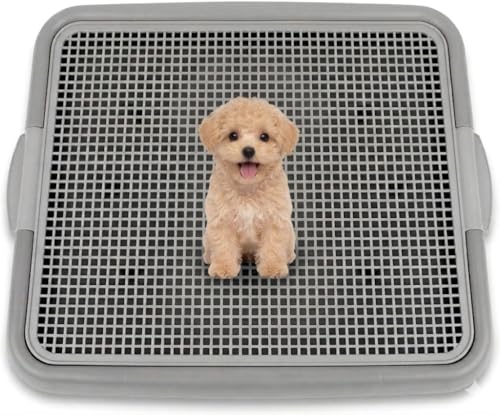
- ✓ Keeps paws dry and clean
- ✓ Easy to clean and maintain
- ✓ Sturdy, durable material
- ✕ Slightly small for larger breeds
- ✕ Mesh grate may need replacement over time
| Material | High-quality, non-toxic polypropylene (PP) plastic |
| Tray Dimensions | 20 inches x 16 inches x 1.2 inches |
| Design Features | Perforated grate with snap-on/off mesh for urine flow and pad protection |
| Cleaning Method | Rinse with warm soapy water |
| Intended Use | Suitable for small pets, including puppies, small breeds, and senior dogs |
| Additional Features | Leak-proof design, stable surface, lightweight and portable |
Compared to typical puppy pee pads or flimsy trays, this UPIT Puppy Potty Tray feels like a serious upgrade right out of the box. The perforated mesh grate immediately caught my eye—it’s sturdy, with a textured surface that keeps paws dry and prevents slipping.
I noticed how well it fits into tight spaces like my laundry room, thanks to its compact 20×16 inch size, yet it still feels roomy enough for small pups to use comfortably.
Setting it up was a breeze. The snap-on mesh grate clicks securely into place, so I don’t worry about my clever puppy tearing up the pad or making a mess.
The plastic feels high-quality—sturdy but lightweight enough to move easily around the house or take outside for quick cleaning.
What I really appreciated is how simple cleaning was. Just remove the mesh, rinse it with warm soapy water, and put a new pad underneath.
No fuss, no mess, and it keeps the floor spotless. Plus, the design prevents pee from seeping onto the floor, which is a huge relief when you’re juggling work and puppy training.
This tray is especially good for puppies, small breeds, or even older dogs with mobility issues. It’s a practical solution that saves money on pads and keeps the home tidy.
Honestly, it’s a small investment that makes a big difference in everyday cleanup and training routines.
What Are the Different Types of Indoor Pet Toilets Available?
The different types of indoor pet toilets available cater to various needs and preferences for pet owners and their pets.
- Traditional Litter Box: This is the most common type of indoor pet toilet, typically a rectangular box filled with clumping or non-clumping litter.
- Self-Cleaning Litter Box: These advanced litter boxes automatically rake waste into a sealed compartment after your pet uses it, reducing the need for manual cleaning.
- Pee Pads: Absorbent pads designed for training puppies or older dogs that need a designated spot to relieve themselves indoors.
- Grass or Turf Toilets: These mimic outdoor surfaces and are often used for dogs, featuring real or synthetic grass for a more natural experience.
- Indoor Cat Toilet System: A toilet designed specifically for cats, often incorporating a system to help them transition from a litter box to using the toilet.
Traditional Litter Box: Traditional litter boxes come in various sizes and shapes, allowing for customization based on your pet’s needs. They require regular cleaning and maintenance, as clumping litter can help control odors but still needs to be replaced periodically.
Self-Cleaning Litter Box: Self-cleaning litter boxes offer convenience for busy pet owners by automating the cleaning process. They typically feature sensors that detect when a pet has used the box and activate a cleaning mechanism, making them a great option for multi-pet households.
Pee Pads: Pee pads are particularly useful for small dogs or puppies that are being house-trained. They come in various sizes, are disposable or washable, and often have attractant scents to encourage pets to use them.
Grass or Turf Toilets: Grass or turf toilets provide a realistic outdoor experience for dogs, which can be beneficial for pets living in apartments or urban settings. These systems often include a drainage tray to manage waste and ease cleaning, and they can be used for both training and regular bathroom needs.
Indoor Cat Toilet System: Indoor cat toilet systems are designed to gradually transition cats from a litter box to using a regular toilet. They often include a series of training steps and replaceable trays, making it an innovative solution for cat owners looking to eliminate litter altogether.
How Do Traditional Litter Boxes Operate for Dogs and Cats?
Traditional litter boxes operate by providing a designated area for pets to relieve themselves, catering to both dogs and cats with specific designs and materials.
- Cat Litter Boxes: These are typically shallow containers filled with absorbent litter material designed to absorb moisture and control odors.
- Dog Litter Boxes: Designed specifically for dogs, these boxes often come with synthetic grass or pads that mimic outdoor grass, making it more appealing for dogs.
- Self-Cleaning Litter Boxes: These advanced litter boxes use automated mechanisms to sift and clean the waste after each use, reducing the need for manual cleaning.
- Covered Litter Boxes: These boxes feature a lid or hood that provides privacy for the pet and helps contain odors, making them suitable for indoor environments.
- Training Pads: While not traditional litter boxes, these absorbent pads are often used for dogs in lieu of a litter box and can be placed in a designated area for easy cleanup.
Cat litter boxes are designed for felines and typically feature a low entry point for easy access. They contain various types of litter like clay, crystal, or biodegradable materials that absorb moisture and odors, making it easier for owners to maintain cleanliness in the home.
Dog litter boxes cater to smaller breeds or indoor dogs, often utilizing a turf-like surface or absorbent pads to simulate outdoor conditions. This encourages dogs to use the box, especially in apartments or during inclement weather, and helps owners manage their pet’s bathroom habits indoors.
Self-cleaning litter boxes are a modern solution for pet owners who want to minimize maintenance. These units have sensors that detect when a pet has used the box and automatically sift through the litter to separate waste, depositing it into a sealed compartment, thus ensuring a cleaner environment for the pet.
Covered litter boxes offer a sense of privacy for cats, which may help reduce stress during bathroom time. They also help contain any odors and litter that might otherwise escape, making them a popular choice for indoor use, particularly in smaller living spaces.
Training pads are primarily used for dogs and provide a convenient alternative for pet owners who prefer not to use a traditional litter box. These pads are absorbent and can be disposed of easily, making them an effective solution for house training puppies or for older dogs who may have difficulty going outside.
What Benefits Do Self-Cleaning Litter Boxes Provide?
Self-cleaning litter boxes offer several benefits that enhance both pet and owner experiences.
- Convenience: These litter boxes automatically rake and dispose of waste, significantly reducing the time owners spend on litter maintenance.
- Odor Control: Many self-cleaning models are designed with advanced odor control systems, which help to minimize unpleasant smells that can arise from traditional litter boxes.
- Improved Hygiene: By regularly cleaning waste, these boxes can help reduce the spread of bacteria and parasites, promoting a healthier environment for both pets and humans.
- Less Litter Waste: Self-cleaning litter boxes often use less litter over time, as they can separate clean litter from waste, making it more economical in the long run.
- Monitoring Pet Health: Some advanced models come equipped with sensors that track your pet’s usage, providing insights into their health and any potential issues.
Convenience is one of the primary benefits of self-cleaning litter boxes. They automate the process of cleaning, allowing pet owners to enjoy more free time without the daily hassle of scooping litter. This feature is particularly beneficial for busy individuals or those with multiple pets.
Odor control is another significant advantage, as many self-cleaning litter boxes incorporate features such as covered designs or built-in air filters that help to neutralize smells. This keeps the living environment fresher and more pleasant, making it an appealing choice for both pets and their owners.
Improved hygiene is crucial for maintaining a safe and healthy space for pets. Self-cleaning litter boxes help to eliminate waste more efficiently, which can reduce the risk of infections and other health issues related to unsanitary conditions. This is especially important for homes with young children or individuals with allergies.
Less litter waste is a practical benefit that comes with self-cleaning litter boxes. By automatically sifting through the litter, these boxes can help owners save on the amount of litter they need to purchase, ultimately resulting in cost savings over time while still providing a clean and comfortable space for pets.
Monitoring pet health is an innovative feature found in some advanced self-cleaning litter boxes. By tracking how often a pet uses the litter box and even the volume of waste produced, owners can gain valuable insights into their pet’s health, allowing for early detection of potential health issues and promoting proactive veterinary care.
How Does a Grass and Soil Pet Toilet Work for Pet Hygiene?
The best indoor pet toilets provide a convenient and hygienic solution for pet owners to manage their pets’ waste indoors.
- Grass Surface: This component mimics the natural outdoor environment, allowing pets to feel comfortable and encouraged to use it.
- Soil Layer: The soil layer absorbs moisture and helps control odors, creating a more pleasant environment for both pets and owners.
- Drainage System: A well-designed drainage system channels liquids away from the surface, preventing puddling and promoting cleanliness.
- Easy-to-Clean Design: Many indoor pet toilets are designed for easy disassembly and cleaning, making maintenance simple for busy pet owners.
- Odor Control Features: Integrated odor control systems, such as carbon filters or antimicrobial treatments, help to minimize unpleasant smells.
- Size and Portability: The best indoor pet toilets come in various sizes to accommodate different breeds and can be easily moved around the house.
Grass Surface: The grass surface is made from synthetic or real grass materials, allowing pets to have a familiar texture under their paws. This design encourages them to use the toilet as they would outdoors, promoting better habits and reducing accidents inside the home.
Soil Layer: The soil layer typically consists of a mixture that can retain moisture while also providing a natural filtration system. This helps to break down waste and reduce odors, making it a more sanitary option for indoor use.
Drainage System: A drainage system is crucial for managing liquids effectively, as it prevents waste from pooling and creating a mess. This system allows urine to flow into a designated container, simplifying cleanup and reducing the risk of spills.
Easy-to-Clean Design: Many of these toilets feature removable trays or sections that can be quickly accessed for cleaning. This user-friendly design ensures that pet owners can maintain hygiene without a significant time commitment.
Odor Control Features: The inclusion of odor control mechanisms, such as activated charcoal filters, helps to trap and neutralize unpleasant smells. This feature is essential for indoor environments where air quality is a concern.
Size and Portability: The versatility in size allows pet owners to select a toilet that fits their living space and their pet’s needs. Additionally, lightweight construction makes it easy to relocate the toilet, whether for cleaning or accommodating different areas of the home.
What Key Features Should You Consider When Choosing an Indoor Pet Toilet?
When choosing the best indoor pet toilet, there are several key features to consider to ensure functionality and convenience for both pets and owners.
- Size: The size of the indoor pet toilet should be appropriate for your pet’s breed and size, allowing them to use it comfortably without feeling cramped. A larger toilet can accommodate bigger dogs, while smaller, more compact designs can be ideal for cats or small dog breeds.
- Material: The material of the toilet should be durable, easy to clean, and resistant to odors. Many indoor pet toilets are made from plastic or metal, with options that include removable parts for easier maintenance, ensuring hygiene is easily maintained.
- Absorbency: An effective indoor pet toilet should have a high absorbency level to manage waste effectively and minimize odors. Look for features such as absorbent pads or litter that can handle liquid waste without leaking or creating messes.
- Design: The design should cater to your pet’s natural behaviors, providing a space that feels secure and encourages them to use it. Some designs include privacy features like walls or lids, which can help pets feel more comfortable and reduce anxiety during use.
- Ease of Cleaning: Opt for a model that allows for quick and easy cleaning, such as those with removable trays or surfaces that can be wiped down effortlessly. A toilet that is simple to maintain will encourage more frequent use and contribute to a healthier environment for your pet.
- Portability: If you travel or move frequently, consider a portable indoor pet toilet that can be easily transported. Lightweight designs or foldable options can be beneficial for on-the-go pet owners who still want to provide a consistent bathroom solution for their pets.
- Price: The cost of the indoor pet toilet can vary widely, so it’s important to balance the features you need with your budget. Investing in a slightly higher-priced option may provide better quality or additional features that save money in the long run through durability or ease of maintenance.
How Important Are Size and Design for Your Pet’s Comfort?
Size and design are crucial factors in ensuring your pet’s comfort when choosing the best indoor pet toilet.
- Size: The size of the indoor pet toilet should accommodate your pet comfortably, allowing them to move freely without feeling cramped. A toilet that is too small may lead to accidents outside the designated area, while one that is too large might overwhelm smaller pets and discourage them from using it.
- Design: The design of the indoor pet toilet plays a significant role in its effectiveness and your pet’s willingness to use it. Features such as low entry points for small pets or high sides for those that tend to dig can enhance usability, while aesthetically pleasing designs can blend seamlessly into your home decor.
- Material: The material used in constructing the indoor pet toilet can impact both durability and comfort. A toilet made from non-toxic, easy-to-clean materials will not only ensure your pet’s safety but will also make maintenance easier for pet owners.
- Odor Control: Effective odor control features, such as absorbent pads or enclosed designs, can significantly enhance your pet’s comfort by making the environment cleaner and more pleasant. If your pet feels that their toilet space is clean and odor-free, they are more likely to use it consistently.
- Accessibility: Ensuring that your indoor pet toilet is easily accessible to your pet is vital for its regular use. Consider the height and location of the toilet to ensure that your pet can reach it without difficulty, particularly for older or disabled animals.
What Types of Materials Are Most Effective for Indoor Pet Toilets?
The best indoor pet toilets are made from a variety of materials that cater to hygiene, comfort, and ease of maintenance.
- Plastic: Plastic is lightweight, easy to clean, and resistant to moisture, making it a popular choice for indoor pet toilets. It can be molded into various shapes and sizes, providing versatility for different pet needs.
- Wood: Wood offers a natural look and is often treated to be water-resistant, providing an aesthetic appeal in home decor. However, it requires proper sealing to prevent odors from being absorbed and can be more challenging to clean than plastic.
- Metal: Metal, particularly stainless steel, is durable and resistant to bacteria, making it an excellent choice for hygiene. It is typically heavier and more robust, which can help prevent pets from tipping over the toilet during use.
- Composite Materials: These are blends of plastic and other materials, designed to maximize durability and ease of cleaning. They often feature anti-bacterial properties and can be designed to mimic the look of wood or other materials without the maintenance issues.
- Grass or Turf: Synthetic grass or turf materials provide a natural feel for pets while being easy to clean and maintain. They can simulate outdoor conditions, which is particularly beneficial for dogs, and are often designed to drain liquids effectively.
Why is Cleaning Ease a Vital Factor for Pet Owners?
Cleaning ease is a crucial factor for pet owners when selecting an indoor pet toilet, as it directly impacts the overall experience of pet care. An easy-to-clean toilet reduces the time and effort spent on maintenance, allowing owners to focus more on quality time with their pets. Here are some key points to consider:
-
Material Matters: Toilets made from smooth, non-porous materials are easier to wipe down and do not retain odors or stains. Look for options that resist bacterial growth and are durable.
-
Design Features: Innovative designs, such as removable trays or liners, allow for quick disposal and cleaning. Consider toilets with urine guards or splash shields to contain messes more effectively.
-
Accessibility: A toilet that is easy to access for both pet and owner can simplify the cleaning process. Some models feature elevated sides or adjustable heights that make it easier to reach inside.
-
Frequency of Cleaning: Models that can be cleaned quickly may encourage more regular maintenance, promoting a healthy living environment for pets while keeping the home odor-free.
By prioritizing cleaning ease, pet owners can ensure that their living spaces remain hygienic and pleasant, making pet ownership more enjoyable.
How Can Indoor Pet Toilets Improve Your Pet’s Behavior?
Indoor pet toilets can significantly enhance your pet’s behavior by providing a designated spot for bathroom needs, leading to better hygiene and reduced stress for both pets and owners.
- Encourages Consistency: Indoor pet toilets help establish a routine for your pet, making it easier for them to understand where to relieve themselves. Consistent usage can lead to fewer accidents around the house and promote a sense of security in your pet’s environment.
- Reduces Anxiety: By having a specific area for bathroom needs, pets can feel more secure and less anxious, especially in busy households or during stressful situations. This reduction in anxiety can lead to better overall behavior, such as decreased barking or destructive actions due to stress.
- Promotes Cleanliness: Using an indoor pet toilet helps keep your living space clean by containing waste in one area, which makes it easier for owners to maintain hygiene. This can lead to a healthier home environment, reducing the likelihood of unpleasant odors and the spread of bacteria.
- Convenient for Owners: The best indoor pet toilets can simplify the clean-up process, making it less time-consuming for pet owners to manage their pets’ bathroom habits. This convenience encourages owners to maintain a regular cleaning schedule, which further promotes good hygiene and encourages pets to continue using the toilet.
- Adaptable to All Pets: Indoor pet toilets come in various designs suitable for different sizes and types of pets, making it easier to find the perfect fit for your furry friend. This adaptability ensures that even the most stubborn pets can be trained to use a designated toilet space, leading to improved behavior across the board.
What Role Does Familiarity Play in Toilet Training Your Pet?
Familiarity is crucial in the process of toilet training your pet, as it helps them feel comfortable and confident in using the designated toilet area. The following factors highlight the role of familiarity in this process:
- Consistent Location: Placing the indoor pet toilet in a consistent and familiar area helps your pet understand where they should go. Animals thrive on routine, and having a specific spot reduces confusion and promotes quick learning.
- Regular Schedule: Establishing a regular schedule for bathroom breaks can create a sense of familiarity for your pet. By taking them to the toilet at the same times each day, they will learn to associate these times with bathroom needs, leading to successful training.
- Positive Reinforcement: Using treats or praise when your pet uses the toilet successfully reinforces their behavior and builds familiarity with the action. This positive association encourages them to repeat the behavior, making the process smoother and more effective.
- Gradual Introduction: Gradually introducing your pet to the indoor toilet helps them become accustomed to it. Start by letting them explore the area and sniff around before encouraging them to use it, which fosters comfort and reduces anxiety about the new experience.
- Familiar Scents: Using familiar scents, such as placing a piece of your pet’s bedding or a favorite toy near the toilet, can create a sense of security. Familiar smells can help calm your pet and encourage them to use the toilet, as it feels like a safe and inviting space.
How Can Indoor Toilets Help Reduce Your Pet’s Stress Levels?
Indoor toilets can significantly reduce your pet’s stress levels in several ways:
- Convenience: An indoor pet toilet provides a designated spot for pets to relieve themselves, reducing the anxiety that comes from needing to wait for outdoor access.
- Safety: For pets that are skittish or fearful of the outdoors, an indoor toilet eliminates exposure to potential stressors like loud noises, other animals, or harsh weather conditions.
- Consistency: Using an indoor toilet establishes a routine for pets, which can alleviate uncertainty and help them feel more secure in their environment.
- Health Monitoring: Having an indoor toilet allows pet owners to easily monitor their pets’ bathroom habits, providing insight into their health and reducing worry about potential issues.
- Training Aid: An indoor toilet can assist in training, making it easier for pets to understand where they are supposed to go, which can reduce confusion and associated stress.
The convenience of an indoor pet toilet means that pets do not have to wait for their owners to take them outside, which can be particularly beneficial for those with busy schedules or for animals that need to relieve themselves frequently.
Safety is paramount for pets that may experience anxiety outdoors; an indoor toilet provides a safe space for them to go without encountering the various stressors found outside, such as loud noises or unfamiliar animals.
Consistency is crucial for pets, as it helps create a predictable environment. An established routine around bathroom breaks can make pets feel more secure, thus reducing anxiety and stress levels.
Health monitoring becomes easier with an indoor toilet, as owners can quickly observe changes in their pets’ habits, which might indicate health problems. This proactive approach can help address issues before they escalate.
Lastly, an indoor toilet can serve as a valuable training aid, simplifying the learning process for pets. By providing a clear and consistent location for bathroom breaks, pets can quickly grasp where they are expected to go, minimizing confusion and stress associated with training.
What Are the Key Advantages and Disadvantages of Using Indoor Pet Toilets?
| Advantages | Disadvantages |
|---|---|
| Convenience for pet owners, easy to train pets. | Initial cost can be high, may require regular cleaning. |
| Reduces outdoor mess, suitable for indoor living. | Not all pets may adapt, risk of odor if not maintained. |
| Available in various types (e.g., litter box, grass pad, electronic options). | Some types may be more expensive to maintain in the long run. |
| Can improve pet hygiene and reduce accidents indoors. | May take time for pets to adjust based on individual behavior. |
| Low maintenance options available, depending on type. | Some require daily cleaning while others can go longer between cleanings. |
| Potential long-term cost savings compared to outdoor clean-up and vet visits. | Inconsistent use may lead to ongoing training efforts. |
How Do Indoor Toilets Benefit Pet Owners and Their Pets?
Training Aid: These toilets can assist in house training, providing a consistent location for pets to learn where they should go. This is particularly useful for puppies or newly adopted pets, helping them to associate the indoor toilet with their bathroom needs.
Accessibility: Indoor pet toilets are particularly beneficial for pets with mobility issues or for owners who may have difficulty letting their pets outside frequently. This ensures that all pets, regardless of their physical condition, have a suitable place to relieve themselves.
Weather Protection: Indoor toilets eliminate the concerns related to adverse weather conditions, allowing pets to relieve themselves comfortably regardless of the outdoor environment. This is especially advantageous in regions with extreme temperatures, rain, or snow, ensuring that pets can maintain their bathroom habits without discomfort.
What Drawbacks Should You Be Aware of When Using Indoor Pet Toilets?
When considering the best indoor pet toilet, it’s important to be aware of potential drawbacks that can impact both pets and owners.
- Odor Control: Many indoor pet toilets struggle with effectively managing odors, which can lead to an unpleasant environment. Without proper ventilation or odor-neutralizing features, the smell can become overwhelming, especially in smaller spaces.
- Maintenance Requirements: Indoor pet toilets often require regular cleaning and maintenance, which can be time-consuming. If not cleaned frequently, waste can accumulate and create hygiene issues, making it less appealing for pets to use.
- Training Challenges: Some pets may resist using an indoor toilet, especially if they are accustomed to outdoor elimination. Owners may need to invest time and patience in training their pets to use the indoor option, which can be frustrating and inconsistent.
- Size and Placement Limitations: The size of the indoor pet toilet can limit where it can be placed in the home. Larger models may not fit well in smaller living spaces, and finding a suitable location that is convenient for both the pet and owner can be challenging.
- Initial Cost: The best indoor pet toilets can come with a significant upfront investment. While they may save money on disposal over time, the initial purchase price can be a barrier for some pet owners.
What Expert Tips Can Help Enhance Your Experience With Indoor Pet Toilets?
To enhance your experience with indoor pet toilets, consider the following expert tips:
- Choose the Right Size: Selecting an appropriately sized toilet for your pet is crucial for their comfort and use. A toilet that is too small may discourage your pet from using it, while one that is too large can be intimidating.
- Location Matters: Place the indoor pet toilet in a quiet, easily accessible area where your pet feels safe. Avoid high-traffic zones to minimize distractions, which can help your pet feel more comfortable when using the toilet.
- Use Attractive Materials: Opt for materials that are appealing and easy to clean, such as those that are odor-resistant and non-toxic. This not only makes maintenance easier but also encourages your pet to use the toilet more frequently.
- Regular Cleaning Routine: Establishing a consistent cleaning schedule is essential to prevent odors and ensure your pet’s toilet remains hygienic. Regular cleaning can also reinforce your pet’s habit of using the toilet, as they are more likely to use a clean space.
- Positive Reinforcement: Use treats and praise to encourage your pet to use the indoor toilet. This positive reinforcement helps them associate the toilet with good experiences, making them more likely to use it consistently.
- Monitor Usage: Keep an eye on your pet’s usage patterns to identify any potential issues early on. If your pet suddenly stops using the toilet, it may indicate discomfort or health issues that need to be addressed.
- Consider Multi-Pet Households: In homes with multiple pets, ensure that there are enough indoor toilets available to avoid competition and stress. Providing additional options can help each pet feel secure in their choice of toilet.
How Can You Effectively Train Your Pet to Use an Indoor Toilet?
Training your pet to use an indoor toilet can be an effective solution for pet owners, especially in urban environments or during inclement weather.
- Choose the Right Indoor Toilet: Selecting the best indoor pet toilet is crucial for successful training. Look for a unit that is appropriately sized for your pet and easy to clean, as this will encourage your pet to use it regularly.
- Introduce the Toilet Gradually: Introduce your pet to the new toilet gradually by placing it in a familiar area. Let your pet explore the toilet without pressure, using treats and praise to create positive associations.
- Establish a Routine: Consistency is key in training. Take your pet to the indoor toilet at scheduled times, such as after meals or naps, to help them understand when they should use it.
- Use Positive Reinforcement: Reward your pet with treats and affection immediately after they use the indoor toilet successfully. This will reinforce the behavior and encourage them to repeat it in the future.
- Be Patient and Persistent: Training can take time, and accidents may happen. Stay patient and persistent, continuing to guide your pet while maintaining a positive attitude to foster a supportive learning environment.
What Maintenance Steps Can Extend the Longevity of the Toilet?
To extend the longevity of a toilet, especially one designed for indoor pets, regular maintenance is essential.
- Regular Cleaning: Frequent cleaning prevents the build-up of stains and mineral deposits that can damage the toilet’s surface and mechanisms. Use non-abrasive cleaners to avoid scratching, and ensure to scrub under the rim and around the bowl to keep it hygienic.
- Check for Leaks: Regularly inspect the toilet for any signs of leaks around the base and in the tank. Early detection of leaks can prevent water waste and potential damage to the surrounding area, which could lead to costly repairs.
- Inspect and Replace Parts: Periodically check the internal components such as flappers, fill valves, and flush handles for wear and tear. Replacing worn parts promptly ensures optimal functionality and can prevent more significant issues down the line.
- Adjust Water Levels: Make sure the water level in the tank is set correctly, as too high or too low levels can affect flushing efficiency. A properly adjusted water level reduces the risk of overflow and ensures that the toilet operates effectively without excessive water use.
- Use Appropriate Cleaners: When cleaning, avoid harsh chemicals that could damage the toilet’s inner workings or the materials used in indoor pet toilets. Opt for pet-safe cleaning solutions that effectively sanitize without posing risks to your pets.
- Monitor Usage: Keep an eye on how the indoor pet toilet is being used by your pets. Ensuring that pets are using the toilet correctly can prevent unnecessary strain on the toilet’s mechanisms and prolong its lifespan.