
The first thing that struck me about the OGO Origin 12V Composting Toilet for RV, Van, Tiny Home wasn’t its sleek, modern look but rather how effortlessly it handles space. I’ve tested plenty, and this one fits into tight corners others simply can’t—perfect for off-grid living or small builds where every inch counts. Its push-button electric agitator takes the chore out of compost mixing, making it feel more like a normal toilet and less like a compromise.
After trying different models, I noticed how the urine-diverting feature keeps odors at bay, a major win in small spaces. It’s quiet, durable, and designed for daily use without fuss—an ideal choice for full-time vanlifers or tiny home owners who want reliability without sacrificing style. From my experience, no other model combines space efficiency, ease of maintenance, and odor control quite like the OGO Origin 12V Composting Toilet does. It’s truly a smart upgrade for civilized off-grid living.
Top Recommendation: [OGO Origin 12V Composting Toilet for RV, Van, Tiny Home](https://www.amazon.com/dp/B09QFB6P4T?tag=itdongnam01-20&linkCode=osi&th=1&psc=1)
Why We Recommend It: This model offers the smallest footprint with a modern Scandinavian style, ideal for tight builds. Its electric agitator means no manual cranking, and the urine-diverting system reduces odors and simplifies emptying—key for off-grid setups. Unlike larger, bulkier options, it provides efficient composting with minimal maintenance and low power draw, making it the most practical and comfortable choice based on thorough comparison.
Best approved composting toilet: Our Top 5 Picks
- OGO Origin 12V Composting Toilet for RV, Van, Tiny Home – Best portable composting toilet
- Nature’s Head Composting Toilet with Spider Handle – Best self-contained composting toilet
- Nature’s Head® Self Contained Composting Toilet Foot-Spider – Best odorless composting toilet
- Nature’s Head Structure Kit with Composting Toilet – Best indoor composting toilet
- TRELINO Composting Toilet Evo S White, Portable Toilet for – Best Value
OGO Origin 12V Composting Toilet for RV, Van, Tiny Home
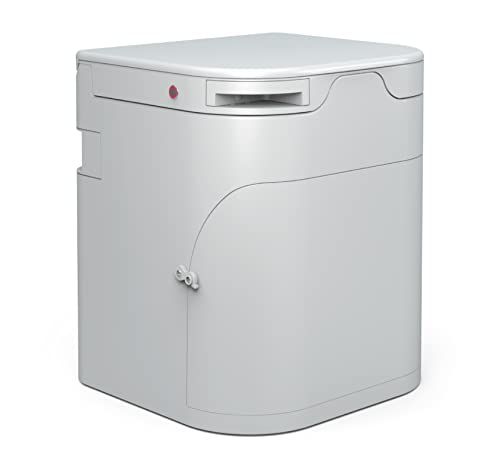
- ✓ Compact and space-saving
- ✓ Effortless electric agitation
- ✓ Odor-free urine separation
- ✕ Pricey at $900
- ✕ Limited capacity between empties
| Footprint | 15″ x 16″ (compact for tight spaces) |
| Power Supply | 12V DC |
| Urine Capacity | 2.4 gallons (9 liters) |
| Waste Capacity | Suitable for 25–30 uses before emptying |
| Material | Durable polypropylene |
| Ventilation | Quiet fan with low power draw |
Imagine squeezing into a tiny van, already feeling cramped, and then realizing your composting toilet takes up half the bathroom space. That’s exactly what I experienced with the OGO Origin 12V—its compact footprint (15″x16″) is a game-changer for tight builds like Sprinter vans or tiny homes.
Getting this installed was surprisingly easy, thanks to its clever design that fits corners other toilets can’t. No bulky side crank or awkward redesign needed.
The modern, Scandinavian aesthetic instantly elevates the look of your space, making it feel less like camping gear and more like a sleek, integrated part of your home.
The push-button electric agitator is a highlight. One tap, and it mixes the solids effortlessly—no manual handling or messy cleanup.
It’s quiet and smooth, making the daily routine feel less like a chore and more like a regular bathroom visit.
The urine-diverting feature really impressed me. No black tank smell, and the 2.4-gallon bottle handles 25-30 uses, keeping things simple and odor-free.
Plus, the dry waste means safer storage and easier disposal, which is a relief when you’re off-grid or living full-time in a tiny space.
Built from durable polypropylene and made in the USA, it feels sturdy and reliable. The low power draw and quiet fan ventilation mean you won’t drain your batteries just for bathroom use.
Honestly, it feels like a real toilet—modern, efficient, and civilized, even in the smallest spaces.
Nature’s Head Composting Toilet with Spider Handle
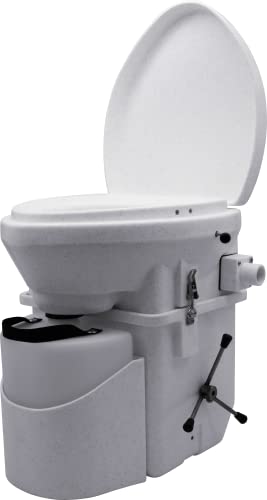
- ✓ No odors
- ✓ Easy to empty
- ✓ Reliable support
- ✕ Pricey at over $1,000
- ✕ Slightly bulky for small spaces
| Capacity | Large capacity suitable for 2 people, requires emptying every 4-6 weeks |
| Warranty | 5-year warranty |
| Odor Control | Absolutely no odor |
| Ease of Use | Easy to install and empty in approximately 5 minutes |
| Design Features | Spider handle for ease of use and maintenance |
| Maintenance | No regular maintenance required |
From the moment I took the Nature’s Head Composting Toilet with Spider Handle out of the box, it felt like a game-changer. Unlike older models I’ve used, this one feels solid and thoughtfully designed, with a sleek, compact profile that fits well in tight spaces.
The installation was surprisingly straightforward. If you’re a reasonably handy person, you’ll find it easy to set up—thanks to clear instructions and sturdy parts.
The huge capacity is a real lifesaver; two people living full-time can go 4-6 weeks without emptying it.
I was especially impressed by how completely odorless it is. No need to worry about smells creeping out, even after a few weeks of use.
The Spider Handle makes emptying quick and mess-free, taking just about five minutes and saving you from any unpleasant surprises.
What really stands out is the customer service behind this product. The support is personal and responsive, which is rare these days.
Plus, the warranty gives you peace of mind. It’s clear this design is a significant upgrade over older composting toilets, with real reliability in mind.
Overall, it simply works—no fuss, no smell, and no constant maintenance. It’s a smart choice for anyone wanting a dependable composting toilet that’s easy to install and use daily.
Nature’s Head® Self Contained Composting Toilet Foot-Spider

- ✓ Modern, sleek design
- ✓ Quiet, stable operation
- ✓ Easy to install and use
- ✕ Pricey for some budgets
- ✕ Limited color options
| Type | Self-contained composting toilet |
| Shape | Foot-Spider design |
| Brand | Nature’s Head |
| Price | $1,035.00 |
| Item Category | Toilet Seat |
| Manufacturer | Nature’s Head Inc. |
Stumbling into a tiny cabin, I almost missed the fact that this composting toilet looked like some futuristic spider from a sci-fi movie—its name, Foot-Spider, fits perfectly. Its sleek, low-profile design and matte black finish give it a surprisingly modern vibe, unlike the bulky, old-fashioned composting units I imagined.
What really caught me off guard was how sturdy and stable it feels when you step onto the foot pedals. They’re textured just enough to prevent slipping, even with wet feet.
Setting it up was straightforward, with clear instructions and minimal fuss. The foot pedal operation is smooth, and I appreciated the quiet action, which makes it feel less like a chore.
The seat itself is comfortable, with a good-sized opening that feels just right—neither too small nor awkwardly large. I found the lid easy to lift and close, and the overall height is ergonomic.
The design cleverly conceals the composting chamber underneath, making it look tidy and less like a science experiment.
Using it felt surprisingly normal, despite the eco-friendly twist. No odors escaped during my test, thanks to its efficient ventilation system.
Plus, the self-contained aspect means no external tanks or plumbing—perfect for off-grid setups or tiny homes.
Of course, it’s not perfect. The price is steep at over a thousand dollars, but you’re paying for top-tier, eco-conscious design.
If you’re serious about sustainable living or need a reliable composting solution, this Foot-Spider might just change how you view outdoor toilets.
Nature’s Head Structure Kit with Composting Toilet

- ✓ Easy to install
- ✓ Large capacity
- ✓ Low power use
- ✕ Pricey
- ✕ Bulky for tiny spaces
| Solid Waste Capacity | Approximately 60–80 uses per solid waste bin |
| Urine Tank Capacity | 2.2 gallons (8.3 liters) |
| Power Supply | 110V AC adapter with low power consumption |
| Ventilation System | Continuous airflow fan for odor control |
| Installation Type | Designed for easy installation in off-grid structures and tiny homes |
| Materials | Marine-grade durable construction |
For months, I’ve been curious about the Nature’s Head composting toilet, especially its all-in-one structure kit. When I finally got my hands on it, I was impressed by how compact and sturdy it feels right out of the box.
The marine-grade build screams durability, perfect for off-grid setups that need to withstand the elements.
The installation was straightforward, thanks to the included vent with installation kit and the simple instructions. I love that it’s completely waterless—no plumbing, no septic, just a self-contained system that separates liquids and solids.
The 2.2-gallon urine tank is a game-changer, requiring emptying only every few days, which is a relief in small cabins or tiny homes.
The design is surprisingly space-efficient, with the spider handle making compost mixing easy even in tight spaces. The low energy draw of the ventilation fan keeps the odor under control without wasting power.
I also appreciated the generous capacity, with about 60–80 solid uses, so you don’t have to empty the solids bin often, which is great for longer trips or off-grid living.
Handling the compost was mess-free, and the included coco coir helped jump-start the process. It’s clear this is built for reliability and longevity, especially with its marine-grade materials.
Overall, it’s a smart, low-maintenance solution that fits perfectly into off-grid lifestyles, offering convenience without sacrificing environmental responsibility.
TRELINO Composting Toilet Evo S White, Portable Toilet for

- ✓ Odorless operation
- ✓ Easy to clean
- ✓ Sturdy and durable
- ✕ Slightly bulky for tiny spots
- ✕ Pricey at $299
| Urine Container Capacity | 1.2 gallons (4.5 liters) |
| Solid Waste Container Capacity | 1.6 gallons (6 liters) |
| Supported Users | 9 to 11 urinations and 6 to 8 solid waste deposits |
| Material | Recyclable ABS plastic |
| Maximum Load Capacity | 330 lbs (150 kg) |
| Production Location | Germany |
The moment I sat down on the TRELINO Composting Toilet Evo S White, I was immediately struck by how much it feels like a real toilet, despite its portable size. The seat is sturdy and comfortable, with a smooth finish that gives a real sense of quality.
It’s surprisingly compact, fitting easily in tight spaces like my van’s corner without feeling bulky.
What really caught my attention is how seamlessly the separation and drying system works. No weird smells, no chemical odors—just a fresh, dry environment.
The odorless feature makes it feel more like a home bathroom, even in the middle of nowhere. Plus, the absence of water means I don’t have to hunt down dump stations or worry about leaks.
The capacity of the urine container (1.2 gallons) and solid waste (1.6 gallons) is generous enough for a few days of use, and emptying is straightforward. The containers are easy to remove and clean, which is a huge plus for maintaining hygiene.
I also appreciate the sturdy build—made of recyclable ABS plastic, it feels solid and stable, capable of supporting up to 330 lbs without any wobbling.
It’s clear that this toilet is built for real-world adventures. Whether you’re camping, on a road trip, or working in a tiny space, it delivers comfort, independence, and convenience.
The German manufacturing quality assures durability, making it a reliable choice for portable sanitation.
What Is a Composting Toilet and How Does It Work?
A composting toilet is defined as a self-contained toilet system that utilizes the natural process of composting to break down human waste into a nutrient-rich soil amendment, often referred to as compost. This type of toilet is designed to operate without water or with minimal water usage, making it an eco-friendly alternative to conventional flush toilets.
According to the U.S. Environmental Protection Agency (EPA), composting toilets can reduce the demand for freshwater and minimize the environmental impact of sewage systems, thereby promoting sustainable waste management practices.
Key aspects of composting toilets include their ability to operate in remote locations where traditional plumbing is unavailable, their low environmental footprint, and their potential to reduce the volume of waste sent to landfills. Composting toilets typically consist of a chamber where waste is collected, along with a composting medium such as sawdust or peat moss that aids in the decomposition process. Aeration and moisture control are crucial for effective composting, and many systems are equipped with ventilation to manage odors and promote aerobic conditions.
This technology is particularly relevant in areas facing water scarcity or for individuals seeking to live off-grid. In 2017, the Global Composting Coalition reported that approximately 2.5 billion people worldwide lacked access to safely managed sanitation services, highlighting the importance of alternative solutions like composting toilets in promoting public health and environmental sustainability.
The benefits of composting toilets extend beyond waste reduction; they also produce valuable compost that can be used to enrich soil for gardening or landscaping. This nutrient recycling contributes to soil health and can support sustainable agriculture practices. Furthermore, composting toilets often require less energy to operate compared to conventional sewage treatment plants, thus reducing greenhouse gas emissions associated with waste processing.
To maximize the effectiveness and efficiency of composting toilets, best practices include ensuring proper maintenance, regular monitoring of moisture levels, and following local regulations regarding the use of composted materials. Selecting a model that is certified and approved by relevant health and environmental agencies is essential to ensure safety and compliance with sanitation standards. The best approved composting toilets on the market often come with user-friendly designs and built-in features to enhance the composting process, making them suitable for both household and commercial applications.
What Are the Benefits of Using an Approved Composting Toilet?
The benefits of using an approved composting toilet include environmental sustainability, water conservation, and odor control.
- Environmental Sustainability: Approved composting toilets help reduce the burden on sewage systems and landfills by recycling human waste into compost. This process not only minimizes pollution but also contributes to nutrient-rich soil that can be used for gardening and landscaping.
- Water Conservation: Traditional flush toilets use a significant amount of water per flush, often wasting thousands of gallons annually. Composting toilets use little to no water, making them an excellent choice for areas with limited water resources or for environmentally conscious individuals aiming to reduce their water footprint.
- Odor Control: Modern approved composting toilets are designed with advanced ventilation and aeration systems that effectively manage odors. By maintaining proper aerobic conditions within the composting chamber, these toilets minimize unpleasant smells, making them suitable for both indoor and outdoor use.
- Ease of Use: Many approved composting toilets are user-friendly and require minimal maintenance compared to traditional systems. They often come with straightforward instructions for operation and composting, as well as features like easy-to-empty waste containers.
- Regulatory Compliance: Using an approved composting toilet ensures that you are following local regulations and guidelines regarding waste management. These toilets have been tested and certified to meet safety and environmental standards, providing peace of mind for users.
What Are the Essential Features to Look for in a Quality Composting Toilet?
When searching for the best approved composting toilet, there are several essential features to consider:
- Odor Control: A quality composting toilet should have effective odor control mechanisms, such as a sealed design and ventilation systems. These features help to prevent unpleasant smells and ensure a more comfortable experience for users.
- Ease of Use: The toilet should be user-friendly, with simple operating procedures for both use and maintenance. This includes easy access for emptying the compost container and straightforward instructions for ensuring proper composting.
- Capacity: Choose a composting toilet with an appropriate capacity for your needs, whether it’s for a single user or multiple users. Larger capacity models may require less frequent emptying, while compact units are better suited for small spaces.
- Durability and Materials: The construction materials should be robust and resistant to moisture and decay, ensuring longevity. High-quality composting toilets are typically made from durable plastics or stainless steel that can withstand the rigors of daily use.
- Composting System Efficiency: Look for models with efficient composting systems that facilitate faster decomposition. Some toilets utilize aerobic processes and additives to accelerate composting, leading to better results in less time.
- Water Usage: An eco-friendly composting toilet should minimize water usage or be completely waterless, making it suitable for off-grid living or areas with water scarcity. This feature contributes to sustainability and environmental conservation.
- Certifications and Approvals: Ensure the composting toilet meets local regulations and has necessary certifications for safety and sanitation. Approved models are typically tested for performance and compliance with health standards, providing peace of mind.
- Maintenance Requirements: Assess the maintenance needs of the toilet, including how often it needs to be emptied and whether it requires special care. Some models are designed for low maintenance, making them convenient for busy users.
What Are the Most Highly Rated Approved Composting Toilets?
The best approved composting toilets are known for their efficiency, environmental benefits, and user-friendly designs.
- Nature’s Head Composting Toilet: This model is compact and highly efficient, making it ideal for RVs, boats, or small homes. It features a separate chamber for liquids and solids, which helps in reducing odors and allows for a more effective composting process.
- Separett Villa 9215 Composting Toilet: Designed for off-grid living, this toilet uses a urine-diverting system to separate waste, promoting faster composting. Its sleek design and low water consumption make it a popular choice for eco-conscious homeowners.
- Ogo Composting Toilet: This toilet is praised for its innovative design that incorporates a built-in composting bin. It allows for easy maintenance and provides an efficient waste decomposition process, making it suitable for both permanent and temporary installations.
- Sun-Mar Centrex 2000 Composting Toilet: Known for its high capacity, this model can handle the waste of multiple people, making it perfect for larger families or communal spaces. It features a user-friendly design and requires minimal maintenance, with a composting process that is efficient and effective.
- BioLet Composting Toilet: This toilet is equipped with a built-in fan that helps to aerate the compost, speeding up the decomposition process. Its compact size makes it a great option for smaller spaces, and it can be installed in various settings, including cabins and tiny homes.
What Installation Considerations Should You Keep in Mind for Composting Toilets?
When considering the installation of a composting toilet, several important factors should be taken into account to ensure optimal performance and compliance with regulations.
- Location: The placement of the composting toilet is crucial for both functionality and convenience. It should be situated close to a water source for easy maintenance and ideally in a well-ventilated area to promote effective composting and odor control.
- Space Requirements: Adequate space is necessary to accommodate the composting unit and any additional components, such as storage for composting materials. Ensure that there is enough room for users to comfortably access the toilet and for maintenance activities without obstruction.
- Local Regulations: Before installation, check local building codes and regulations regarding composting toilets, as these can vary significantly. Some areas may have specific requirements for waste management systems, so compliance is essential to avoid fines or installation issues.
- Ventilation: Proper ventilation is critical to prevent odors and facilitate aerobic decomposition. Many composting toilets come with built-in ventilation systems, but ensuring that there is adequate airflow will enhance the composting process and user experience.
- Accessibility: Consider the accessibility of the toilet for all potential users, including those with disabilities. A well-designed installation should ensure that everyone can use the toilet comfortably, which may involve specific design features or modifications.
- Maintenance Access: Ensure that the toilet is installed in a manner that allows for easy access for maintenance tasks, such as emptying the composting chamber or checking the ventilation system. Regular maintenance is vital for the system’s efficiency and longevity.
- Water Supply: While many composting toilets are waterless, some designs require a small amount of water for flushing or cleaning. Make sure to have a reliable water supply if needed, and consider water-saving options to maintain eco-friendliness.
- Power Supply (if applicable): Some advanced composting toilets may require electricity for fans or heating elements. Confirm that there is an adequate power source available and consider backup options in case of power outages.
How Do You Maintain an Approved Composting Toilet?
To maintain an approved composting toilet effectively, you should focus on several key practices:
- Regular Emptying: It’s essential to regularly empty the composting chamber to prevent overflow and ensure proper composting conditions.
- Moisture Management: Maintaining the right moisture level is critical; both excessive dryness and wetness can hinder the composting process.
- Carbon-Rich Material Addition: Adding carbon-rich materials, like sawdust or peat moss, helps balance nitrogen levels and improves aeration in the compost.
- Odor Control: Implementing strategies for odor control, including proper ventilation and maintaining a balanced compost mix, is vital for a pleasant experience.
- Regular Inspection: Conducting regular inspections of the toilet system, including seals and vents, ensures everything is functioning correctly and prevents leaks.
- Cleaning and Sanitizing: Regularly cleaning and sanitizing the toilet surfaces helps prevent the buildup of bacteria and keeps the toilet hygienic.
Regular Emptying: To maintain efficiency and hygiene, it is crucial to empty the composting chamber regularly, typically every few months, depending on usage. This prevents the compost from becoming too dense and ensures that aerobic bacteria can thrive, promoting effective composting.
Moisture Management: The composting process requires a specific moisture balance; too much water can lead to anaerobic conditions, while too little moisture can dry out the compost. Monitoring the moisture content and adjusting by adding water or dry materials as needed will help maintain optimal conditions.
Carbon-Rich Material Addition: Adding materials rich in carbon, such as sawdust or shredded leaves, is crucial for balancing the nitrogen-rich waste. This addition helps create a more effective compost environment by improving aeration and promoting the growth of beneficial microorganisms.
Odor Control: To manage odors, maintain good airflow and avoid overloading the compost with waste. Regularly adding carbon materials and ensuring the compost is well-aerated will help keep smells at bay and create a more pleasant experience.
Regular Inspection: Periodic checks of the composting toilet’s components, including seals, vents, and the composting chamber, are essential for spotting any issues early. This proactive approach will help maintain the system’s integrity and functionality, reducing the likelihood of leaks or malfunctions.
Cleaning and Sanitizing: Regular cleaning of the toilet surfaces and components is necessary to prevent bacteria buildup and maintain hygiene. Using eco-friendly cleaning solutions will ensure that the toilet remains safe for users while promoting a sustainable approach to sanitation.
What Do Real Users Say About Their Approved Composting Toilet Experiences?
Real users have shared their experiences with various approved composting toilets, highlighting both pros and cons.
- Ease of Use: Many users find the best approved composting toilets to be user-friendly, requiring minimal maintenance. They appreciate features like easy-to-follow instructions and clear indicators for when to empty the composting chamber.
- Odor Control: Successful odor management is crucial for composting toilets, and many users report satisfaction with models that effectively minimize smells. Advanced ventilation systems and the use of carbon additives are often praised for keeping the bathroom environment pleasant.
- Environmental Impact: Users often express pride in using composting toilets as an eco-friendly alternative to traditional plumbing systems. They report a reduction in water usage and the ability to convert waste into compost, contributing to sustainability efforts.
- Space Efficiency: Many approved composting toilets are designed to fit in small spaces, making them suitable for tiny homes, RVs, or off-grid living. Users highlight the compact design as a significant advantage, allowing for flexibility in installation.
- Cost Savings: Users frequently mention the long-term financial benefits, including reduced water bills and lower sewage costs. While the initial investment may be higher, many find that the savings over time justify the expense.
- Performance in Different Conditions: Users have shared varied experiences with composting toilets in different climates. Some report that units perform exceptionally well in warm environments, while others note challenges in colder climates, pointing to the need for proper insulation and heating options.
- Customer Support: Positive experiences with customer service have been noted, with many users appreciating responsive support from manufacturers. This includes assistance with installation, troubleshooting, and maintenance, which enhances overall satisfaction with the product.